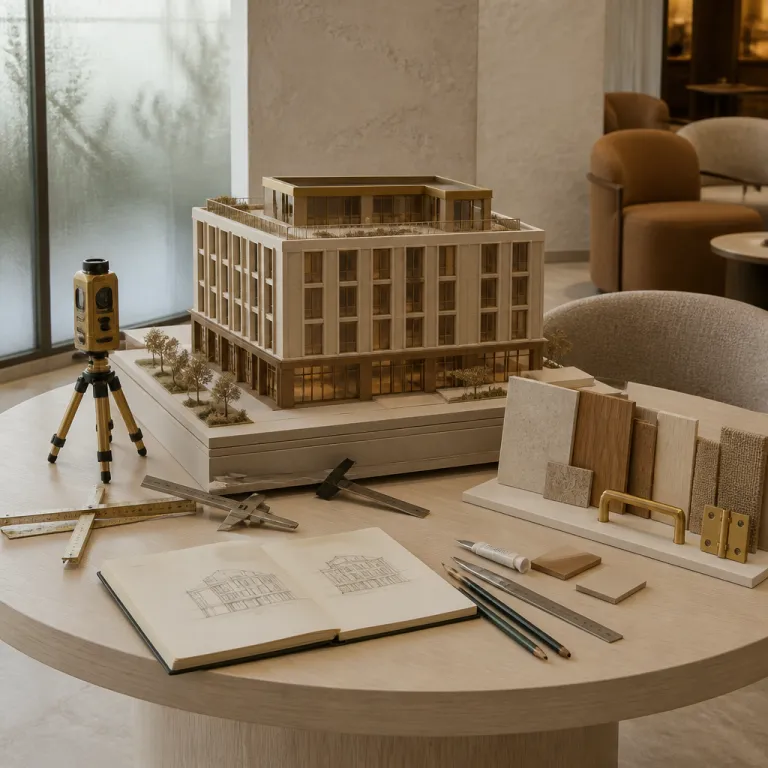
How “design hotels UK” became a destination in their own right
In the United Kingdom, the most compelling design hotels turn the building into the main event. For couples choosing between luxury hotels, the question is no longer just which hotel has the best spa or the largest rooms, but which architecture and interior design will frame the memories of a romantic escape. When you start to read the story written in stone, glass and textiles, every room and corridor in these hotels becomes part of the journey.
Across england and the wider united kingdom, adaptive reuse has become the defining narrative for many design hotels. The Sanderson Hotel in london, created within a former fabric showroom by Denton Corker Marshall, shows how a once industrial hall can become a theatrical hotel restaurant, a playful courtyard and guest rooms that still feel calm after a night in the west end. At Mandarin Oriental Mayfair, Squire and Partners have shaped a compact city hotel where the façade, lobby and spa are choreographed as one continuous experience, proving that design hotels in dense west london can feel both intimate and urbane.
Data from the UK Hospitality Association notes that around 50 hotels in the country are recognised specifically for distinctive architecture and interior design. That number may sound modest for the whole of the hotels united market, yet it signals a clear niche where design hotels UK properties compete more on character than on sheer room count. For couples, that means fewer anonymous rooms and more guest rooms where the view, the materials and even the food drink philosophy are aligned with a coherent design story.
Design hotels in england are not automatically the best choice for every trip. They are often more expensive than standard hotels because bespoke joinery, custom lighting and art commissions cost more than catalogue furniture, and this is reflected in room rates and hotel spa pricing. However, when a hotel in london or the south west has invested in a strong design narrative, you tend to get more than a pretty room ; you gain a sense of place that makes the united kingdom feel richer, more layered and more legible.
Heritage conversions versus contemporary builds: which design hotels work best for couples
When you compare heritage conversions with contemporary builds in the design hotels UK scene, you are really comparing two philosophies of romance. One approach leans into creaking staircases, original stone and the country house fantasy, while the other offers clean lines, big glass and a room that feels like a private gallery. Both can be the best setting for a couple, but they create very different kinds of intimacy.
Heritage led luxury hotels in england often start with a manor house or city hall that already carries emotional weight. The Ampersand Hotel in South Kensington, refurbished by Studio Moren, uses Victorian science and astronomy as its design cue, turning guest rooms into playful studies with bold patterns and a quietly serious hotel restaurant downstairs. In the lake district, several country house hotels have reworked drawing rooms into lounges where the view over water and fells is framed like a painting, and where a rosette restaurant often sits behind original stone walls and timber beams.
Contemporary builds such as The Alan in Manchester show another side of design hotels. Here, exposed services, concrete and reclaimed materials are part of the style, and the food drink offer is integrated into an open plan lobby that feels more like an artist residence than a traditional hotel bar. Couples who prefer east england city breaks might find that this kind of design hotel makes it easier to move between room, restaurant and street life, especially when the hotel spa is swapped for collaborations with nearby wellness studios.
So which approach produces the best experience for couples booking hotels in the united kingdom ? If you want narrative depth and a sense of time, a converted country house or historic city hotel usually wins, especially in the south west or the lake district where landscape and architecture are inseparable. If you crave energy, gallery like spaces and a more urban style of romance, then contemporary design hotels in london, manchester or the south east will feel more aligned with how you travel and how you like to read a city.
The architects and designers quietly shaping “design hotels UK”
Behind every memorable stay in design hotels UK properties, there is usually a design studio with a very specific point of view. Couples often remember the bath with the skyline view or the restaurant lighting, but they may not know the architects who orchestrated those moments. Understanding who is shaping these hotels can help you choose where to book your next room with more confidence.
Denton Corker Marshall, for instance, has left a clear mark on london through both the Sanderson Hotel and the art focused Art'otel Hoxton. At Sanderson, the team turned a former showroom into a theatrical hotel with a courtyard that feels like a private stage, while at Art'otel Hoxton they have created guest rooms and public spaces that double as an exhibition of contemporary art, making the hotel itself feel like an artist residence in the east of the city. Studio Moren, responsible for The Ampersand Hotel in South Kensington, specialises in weaving local stories into hotel design, which is why the rooms there reference science, music and botany rather than generic luxury.
Across the united kingdom, other practices such as RSHP, Squire and Partners and Red Deer are pushing the conversation about what hotels united by design can look like. Their projects often prioritise sustainable materials, layered lighting and a clear relationship between hotel spa areas, food drink spaces and circulation routes, so that couples move intuitively from room to restaurant to bar. In Scotland, the Hope by WildLand project, with interiors by Cecile & Boyd, uses oak, tweed, flax and oilskin to create a tactile language that feels honest to the Highlands rather than imported from london or the south.
For travellers who care about architecture, it is worth taking a moment to read full project descriptions on hotel websites before booking. Look for mentions of adaptive reuse, collaboration with named designers and a clear design narrative that links guest rooms, public halls and even the smallest hotel restaurant details. When a property is transparent about its creative team, it usually signals that design is not a superficial layer but the backbone of the experience.
Regional design differences: london, the lake district and beyond
Design hotels in the united kingdom do not look or feel the same from region to region. A london hotel that leans into glass, steel and sharp lines will naturally differ from a lake district country house where the view and the weather dictate the palette. Couples who understand these regional design languages can choose hotels that match the mood of their trip rather than fighting against it.
In london, especially in the west and central districts, many of the best design hotels occupy former offices, department stores or historic townhouses. Properties like Mandarin Oriental Mayfair and Art'otel Hoxton show how a hotel can plug directly into the city, with restaurants that feel like standalone destinations and rooms that frame urban views rather than hide them. When you plan a london escape themed around cinema or literature, you might even pair a design led hotel with a themed stay such as a Harry Potter inspired break ; guides like the one on where to stay for a magical Harry Potter hotel london escape on myukstay.com can help you align narrative and neighbourhood.
Head to the lake district or the south west, and the design emphasis shifts towards landscape and texture. Here, luxury hotels often occupy a country house or lodge where the hall opens straight onto lawns, and where guest rooms are arranged to maximise the view of lakes, moors or coastline, sometimes at the expense of urban style. In east england and the south east, you will find a mix of seafront hotels and reimagined townhouses, some of which lean into a best boutique aesthetic with smaller room counts, intimate hotel spa facilities and a focus on local food drink in the hotel restaurant.
Scotland and the far north of england add another layer again, with lodges and estates that use robust materials and deep colours to stand up to weather and long nights. Projects like Hope by WildLand show how design hotels can be both practical and poetic, using Highland appropriate fabrics rather than importing a london look. When you read about these hotels, pay attention to how often the word view appears in descriptions ; in rural regions, the view is not a bonus but the organising principle of the entire design.
How to choose a design led hotel that goes beyond Instagram
For many couples, the first contact with design hotels UK properties happens through a striking photograph on a booking site or social feed. A sculptural staircase, a moody spa pool or a plate of artfully arranged food can be persuasive, but it rarely tells you how the hotel actually works over a two or three night stay. To avoid disappointment, you need to read beyond the images and interrogate how the design supports real life.
Start with the basics of the hotel layout and room types. Check whether the guest rooms are genuinely spacious or whether clever photography is hiding tight corners, and look for floor plans if they are available, especially in converted country house properties where some rooms can be quirky to the point of impractical. Pay attention to whether the hotel spa is a core part of the design, with natural light and thoughtful circulation, or an afterthought squeezed into a basement hall with no view and little sense of style.
Next, consider how the restaurant and bar are integrated into the overall design. A rosette restaurant within a design hotel should feel connected to the rest of the building, not like a separate world with clashing décor, and the best boutique style hotels often use the same materials and colour language from lobby to dining room to create a seamless experience. Read full reviews rather than just star ratings, and note how often guests mention noise, lighting and comfort in rooms, because these are the real tests of whether a design concept works once the initial visual impact fades.
Finally, think about how you personally like to use a hotel when you travel as a couple. If you plan to spend long mornings in bed with room service food and late nights in the bar, prioritise hotels where the guest rooms and food drink offerings are clearly central to the design story. If you see the hotel mainly as a base for exploring london, the south west or east england, then focus on properties where circulation, storage and practical details have been designed with movement in mind, even if the spa or restaurant is less of a showpiece.
Turning design hotels into cultural experiences for couples
When you choose carefully, design hotels in the united kingdom can function as compact cultural institutions as much as places to sleep. A well considered hotel in london or manchester might expose you to local artists, regional food traditions and contemporary architecture in a single weekend. For couples who travel to be inspired, this is where design hotels UK properties really earn their premium.
Many of the most interesting hotels commission site specific art or curate rotating exhibitions, effectively turning corridors and guest rooms into a dispersed gallery. At Art'otel Hoxton, for example, the integration of art into every room and public space means you are constantly in dialogue with the work, and the hotel restaurant often echoes this with creative food drink pairings that feel more like a tasting in an artist residence than a standard hotel meal. In some country house hotels, the library or hall doubles as a small museum of local history, with design details that reference regional crafts and materials.
Culinary culture is another powerful way that design hotels become immersive. A rosette restaurant within a lake district or south west property might build its menu entirely around local producers, with interiors that echo the surrounding fields and coastline through colour and texture, making every plate of food part of the landscape story. In london and east england, hotel restaurants in design led hotels often collaborate with guest chefs or host residencies, turning a stay into a chance to read the current state of british cuisine in real time.
To make the most of this, couples should treat the hotel as an itinerary rather than a backdrop. Ask about architecture tours, art talks or kitchen garden visits, and look for hotels united by a clear programme of events rather than one off gestures, because these are the properties where design, food, drink and hospitality are truly integrated. When a hotel invites you to read full details of its cultural calendar and to engage with its spaces beyond your room, you know that the architecture is not just talking ; it is starting a conversation you can join.
Key figures shaping the “design hotels UK” landscape
Numbers can help clarify how significant design hotels have become within the wider united kingdom hospitality scene. According to data from the UK Hospitality Association, there are around 50 hotels in the country specifically recognised for distinctive architecture and interior design, a small but influential subset of the overall market. These properties tend to cluster in london, the south east and key leisure regions such as the lake district and the south west, where demand for characterful stays is strongest.
- The UK Hospitality Association reports approximately 50 recognised design led hotels across the united kingdom, indicating a focused but growing niche within a market of many thousands of hotels.
- The same association notes an average occupancy rate of around 75 % for these properties, suggesting that demand for design hotels remains robust even outside peak south and west england holiday seasons.
- Heritage conversions account for a significant share of new design hotel projects in london and other english cities, reflecting a broader trend towards adaptive reuse rather than new build construction.
- Industry observers highlight that bespoke architecture and interiors typically increase development costs, which is one reason why design hotels often sit in the luxury hotels price bracket rather than the budget segment.
FAQ about design hotels in the UK
What defines a design focused hotel in the UK ?
A design focused hotel in the united kingdom is defined less by star rating and more by the central role that architecture and interiors play in the experience. These hotels emphasise a coherent design narrative that links guest rooms, public halls, spa areas and restaurants, often through bespoke materials and art. They usually collaborate with named architects or designers, and the building itself is treated as a cultural object rather than a neutral container.
Are design hotels more expensive than standard hotels ?
Design hotels are often more expensive than standard hotels because they invest heavily in bespoke joinery, custom lighting, original art and carefully planned spa and restaurant spaces. These elements increase both construction and maintenance costs, which are reflected in room rates and food drink pricing. Travellers typically pay a premium for the sense of place, narrative depth and visual pleasure that these hotels provide.
Do design hotels offer the same services as other luxury hotels ?
Most design hotels in england and the wider united kingdom offer the full range of services you would expect from luxury hotels, including concierge support, room service, housekeeping and often a hotel spa. The difference lies in how these services are delivered through designed spaces, such as a lobby that doubles as a gallery or a restaurant that feels like an extension of the lounge. The emphasis is on aesthetics and atmosphere without sacrificing core hospitality standards.
How can couples assess whether a design hotel will be comfortable, not just beautiful ?
Couples should look beyond photographs and read full guest reviews that mention sleep quality, noise levels, lighting and storage in rooms. It helps to check floor plans where available, especially in converted country house properties where layouts can be idiosyncratic, and to note whether the spa and restaurant are praised for functionality as well as style. Asking the hotel directly about room sizes, bathroom layouts and view options can also reveal how well the design supports everyday comfort.
Are design hotels only found in london, or across the UK ?
While london has a high concentration of design hotels, especially in the west end, mayfair and the east around hoxton, these properties are spread across the united kingdom. You will find notable examples in the lake district, the south west coast, east england cities and Scottish Highlands estates, often in the form of reimagined country house hotels. Each region brings its own materials, views and cultural references to the design, giving couples a wide range of stylistic choices beyond the capital.