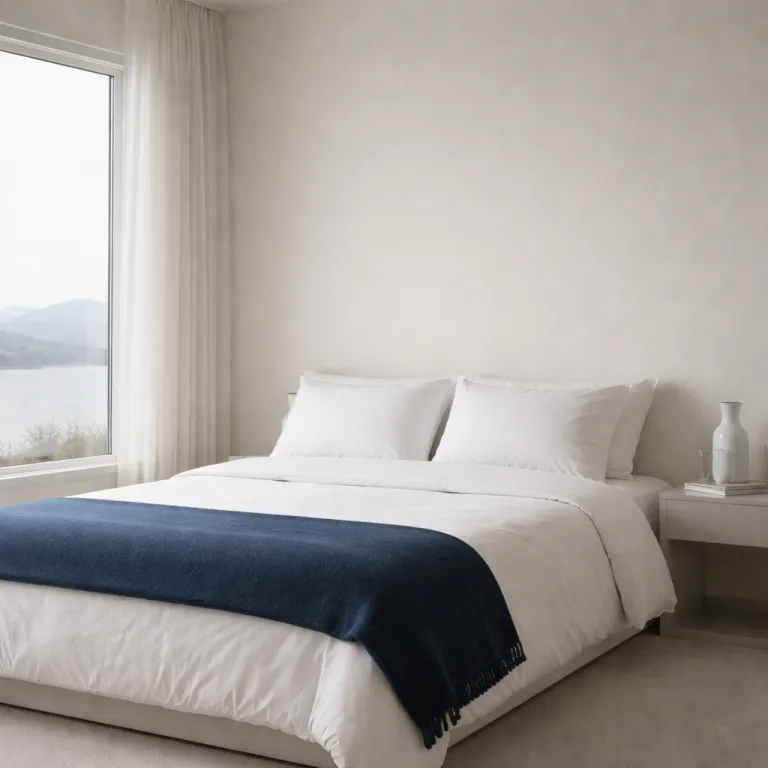
Why Northern Ireland is a compelling hotel destination
Rain on slate roofs in Belfast, soft light over green hills, and a surprisingly polished hotel scene: Northern Ireland rewards travellers who look beyond clichés. For guests who care about atmosphere as much as amenities, the region offers a sophisticated mix of city hotels, country retreats, and lakeside resorts. It is a good choice if you want compact distances, strong character, and a sense of place that feels distinctly different from the rest of the United Kingdom.
In Belfast city, hotels cluster around the city center and the Cathedral Quarter, within a few hundred metres of Donegall Square and the River Lagan. You can walk from a grand central address near Belfast City Hall to the waterfront in under 10 minutes, passing Victorian façades and contemporary glass towers. Many of the best hotels in this northern capital occupy historic buildings, with high ceilings, stone staircases, and quietly luxurious rooms that feel rooted in the city’s past.
Outside the capital, hotels in Northern Ireland tend to be smaller, more personal, and more closely tied to the landscape. Around Lough Erne in County Fermanagh, for instance, lakeside properties look directly onto the water, with suites and rooms oriented towards the islands and reed beds. A country hotel in this area often doubles as a base for golf, fishing, or slow drives along narrow roads lined with dry-stone walls.
For travellers comparing Ireland as a whole, Northern Ireland stands out for its manageable scale. You can sleep in a five star hotel in Belfast, then reach the Antrim Coast, the Mourne Mountains, or the walled city hotel scene in Derry in under two hours by car. That makes it particularly appealing for short trips, long weekends, or first-time guests who want variety without constant packing and unpacking.
Choosing between Belfast, Derry and the countryside
Standing on Great Victoria Street at dusk, with the city’s theatres and bars lighting up, you immediately understand the appeal of staying in Belfast. Hotels here suit travellers who want restaurants, culture, and nightlife within walking distance. A central city hotel near Belfast City Hall places you close to the Grand Opera House, the Linen Quarter’s bars, and the Cathedral Quarter’s galleries. It is the obvious choice if you enjoy urban energy and prefer to explore on foot rather than drive.
Derry, by contrast, feels more compact and enclosed, its hotels often located within or just outside the 17th century city walls. A hotel in Derry suits guests who like history at their doorstep: you can step out of the lobby and be on the walls within minutes, looking down over the River Foyle. The atmosphere is quieter than Belfast, but more intense in terms of heritage, with murals, museums, and churches packed into a small radius.
The countryside offers a different rhythm altogether. Around Lough Erne, resorts and country hotels stretch along the shoreline, some with direct access to the water and others set back among trees. Here, guests trade city buzz for spa rituals, long breakfasts, and evenings by the fire. A lakeside or rural hotel is a popular choice for couples, golfers, and anyone who values views and space over immediate access to shops and galleries.
There is a clear trade-off. City center hotels in Belfast or Derry give you culture, restaurants, and easy transport connections, but less sense of wilderness. Country hotels and lakeside resorts deliver tranquillity, often with a spa and fitness center, but you will rely on a car and accept longer drives for dining variety. Many travellers split their stay: two nights in a hotel in Belfast city, followed by two or three nights at a northern Ireland country hotel near the lakes or coast.
What to expect from rooms, suites and service
Room standards in the better hotels of Northern Ireland are generally high, but they vary in style. In Belfast city center, expect a mix of contemporary rooms with clean lines and heritage spaces with corniced ceilings and tall sash windows. Suites in former bank or warehouse buildings often feature original stonework or iron pillars, paired with modern fabrics and lighting. In many four and five star hotel properties, entry-level rooms are compact but well finished, while suites add separate living areas and more generous bathrooms.
In the countryside, especially near Lough Erne and other lakes, rooms tend to be larger, with big windows and a stronger focus on views. Some resorts offer separate lodges or annex buildings in addition to main-hotel suites, which suits families or groups seeking privacy. You will often find neutral palettes, wool throws, and textures that echo the surrounding landscape rather than bold urban design statements.
Service culture in Northern Ireland leans towards warm, informal professionalism. Staff are usually quick to offer local tips, whether that means a walking route along the River Lagan towpath or a recommendation for a traditional pub on Waterloo Street in Derry. In higher star hotel categories, you can expect more structured services such as concierge desks, valet-style assistance, and more attentive restaurant teams, but the tone remains relaxed rather than stiff.
Before booking, it is worth checking how the hotel describes its rooms and suites. Some properties in older buildings have significant variation between categories, with corner rooms or top-floor spaces offering far better light and layout than internal rooms. Guests who care about quiet should verify whether their room faces a main street, a courtyard, or open countryside. In cities, rooms overlooking busy roads near Belfast’s main bus and rail hubs can feel lively late into the evening, which some guests enjoy and others will want to avoid.
Facilities that matter: spa, fitness and parking
For many travellers, the difference between a pleasant stay and a memorable one lies in the facilities. In Northern Ireland, spa and wellness offerings have grown significantly, especially in lakeside and country hotels. Around Lough Erne and other rural areas, it is common to find a full spa with treatment rooms, thermal suites, and relaxation spaces overlooking water or woodland. Guests often plan their day around a morning swim, an afternoon treatment, and a quiet hour in a hydrotherapy pool before dinner.
City hotels in Belfast and Derry are more variable. Some higher-end properties include a compact spa or at least a well-equipped fitness center, while others focus on restaurants and bars instead. If a spa is a priority, do not assume every four or five star hotel in the city will have one; verify the presence of a pool, sauna, or dedicated treatment area. Travellers who like to maintain a training routine should also check opening hours and whether the fitness center is reserved for guests or shared with external members.
Free parking is another practical point that can strongly influence your choice. In Belfast city center, on-street parking around streets like Bedford Street and Wellington Place is limited and often time-restricted, so a hotel with its own car park or a clear arrangement with a nearby facility is valuable. In Derry and in smaller northern towns, more hotels offer on-site or adjacent parking, but it is still worth confirming whether spaces are guaranteed or allocated on a first-come basis.
Country hotels and lakeside resorts almost always provide parking, often at no extra charge, and with enough space for larger vehicles. This makes them convenient bases for road trips along the Causeway Coastal Route or through County Fermanagh. The trade-off is that you will be driving more, so guests who prefer to walk everywhere may still gravitate towards a central city hotel despite the parking compromises.
Understanding star ratings and how to read them
Star ratings in Northern Ireland provide a useful framework, but they do not tell the whole story. A three star hotel in a prime Belfast city location can feel more convenient than a four star property on the outskirts, simply because you step out directly into the action. Conversely, a four or five star hotel in the countryside may offer larger rooms, a spa, and extensive grounds, but fewer dining options within walking distance. The rating reflects facilities and service levels, not necessarily atmosphere or character.
When comparing hotels, it is more helpful to look at specific features than to rely solely on the official star category. Check whether the property offers a spa, a fitness center, or only basic leisure facilities. Note if there is a restaurant that feels like a destination in its own right or simply a functional dining room. For some guests, a quiet three star country hotel with generous rooms and lake views will feel more luxurious than a busier city four star hotel with smaller rooms and higher footfall.
Guest feedback and rating summaries can help you understand patterns, but they should be read with context. Consistent praise for staff attentiveness, cleanliness, and sleep quality is more meaningful than isolated comments about décor preferences. Pay attention to how recent the most detailed reviews are and whether they mention ongoing improvements or changes in management, which can affect the overall experience.
Ultimately, the best hotels in Northern Ireland for you will align with your priorities rather than simply chasing the highest star rating. If you value heritage and a sense of place, you might accept slightly smaller rooms in a historic city center building. If you prioritise space, spa access, and quiet, a lower-profile lakeside resort or country hotel could deliver a more satisfying stay, even with a similar official rating.
Location nuances within Belfast and Derry
Within Belfast, micro-location matters more than many first-time visitors realise. A hotel on or just off Great Victoria Street places you close to the main rail and bus hub, the Grand Opera House, and a dense cluster of restaurants. This suits guests arriving by train or coach who want to walk everywhere. A few hundred metres east, near Donegall Place and Royal Avenue, you are closer to shopping streets and the entrances to the Cathedral Quarter, where narrow lanes like Hill Street and Waring Street come alive in the evening.
Hotels along the River Lagan, near the waterfront and the Titanic Quarter, offer a different feel. Here, guests enjoy wider views, modern architecture, and easy access to riverside paths, but they may walk 10 to 15 minutes to reach the busiest parts of the city center. Some travellers appreciate this slight remove, finding it calmer at night, while others prefer the immediacy of a grand central address near Belfast City Hall.
In Derry, staying within or just outside the city walls changes your experience. A hotel near Shipquay Street or the Diamond allows you to explore the historic core on foot, with the Peace Bridge and the Bogside murals within a short walk. Properties further out, along the main approach roads, often provide easier parking and sometimes larger rooms, but you will rely more on taxis or longer walks, especially in the evening.
For guests planning to explore wider northern Ireland by car, proximity to main routes such as the M2 out of Belfast or the A6 towards Derry can be a quiet advantage. A hotel slightly west of the city center may cut significant time from day trips to the Causeway Coast or the Sperrin Mountains. Balancing centrality with exit routes is particularly useful for short stays where every hour of daylight counts.
Country retreats, lakeside stays and who they suit
Driving west from Belfast towards Enniskillen, the landscape softens into rolling fields, hedgerows, and glimpses of water. This is where Northern Ireland’s lakeside and country hotels come into their own. Around Lough Erne, resorts and manor-style properties sit close to the shoreline, some with private jetties, others with gardens that slope gently down to the water. Guests wake to mist over the lake, the sound of birds, and a pace of life that feels far removed from the city.
These hotels are particularly well suited to couples, golfers, and travellers who see the hotel itself as the destination. Many offer a spa, a fitness center, and leisure facilities such as walking trails or boat access, so you can spend entire days on-site without feeling confined. Suites often include lake-facing balconies or large windows, while standard rooms still benefit from the quiet and the greenery. For guests who value privacy and space, this style of stay can feel like the best of northern Ireland hospitality.
Families also appreciate country hotels, especially those with generous grounds where children can move freely. However, it is worth checking whether the property positions itself more as an adults-focused retreat or as a family-friendly resort. Some lakeside hotels emphasise calm spa experiences and fine dining, which may not suit younger guests, while others provide more casual restaurants and flexible room configurations.
The main trade-off is distance. From a Lough Erne resort, for example, you are roughly 130 km from Belfast city, which translates into around two hours by car. That makes spontaneous evenings in the capital impractical, but it opens up a different set of experiences: island boat trips, quiet country roads, and evenings spent watching the light fade over the water. For many travellers, combining such a stay with a night or two in a city hotel offers the most balanced itinerary.
How to compare hotels before you book
Comparing hotels in Northern Ireland works best when you start with three clear filters: location, facilities, and atmosphere. First, decide whether you want to be in Belfast, Derry, a coastal town, or the countryside. A hotel in Belfast city center will suit guests who prioritise museums, restaurants, and theatre, while a northern lakeside or country hotel appeals more to those seeking rest and scenery. Once the broad area is fixed, you can refine your search to specific streets, neighbourhoods, or stretches of shoreline.
Facilities come next. Make a short list of non-negotiables: perhaps a spa, a fitness center, or guaranteed free parking. If you plan to rent a car and explore the Antrim Coast or the Fermanagh lakelands, parking becomes more important than, say, an on-site bar. If you are travelling without a vehicle, proximity to public transport and walkable dining options will matter more than extensive grounds or resort-style amenities.
Atmosphere is harder to quantify but crucial. Some hotels feel grand and formal, with high ceilings, chandeliers, and traditional service rituals. Others lean towards a more contemporary, relaxed style, even at the same star rating. Reading between the lines of descriptions and guest comments helps: repeated mentions of live music, busy bars, or wedding parties suggest a livelier environment, while emphasis on gardens, libraries, or quiet lounges points to a calmer stay.
Finally, consider how long you will stay and how you like to structure your days. For a single night before or after a flight, a practical city hotel near Belfast’s main transport links may be the best choice. For a four-night break, splitting time between a hotel in Belfast and a lakeside resort near Lough Erne or another rural area can give you both cultural depth and restorative quiet. The most satisfying trips usually come from aligning your hotel choice with the specific mood you want from this corner of Ireland.
Key facts about notable Northern Ireland hotels
- One well-known four star hotel in Enniskillen offers 70 rooms, combining a restaurant, spa, and health club in a single lakeside property.
- A landmark city hotel in Belfast endured 28 bomb attacks during the Troubles, a stark reminder of the region’s history that still shapes its identity today.
- Several prominent Belfast hotels occupy 19th century buildings, including former warehouses and bank headquarters, giving guests high ceilings and period details alongside modern comforts.
Traveller questions about hotels in Northern Ireland
What is the most bombed hotel in the world?
A famous hotel in central Belfast is widely described as the most bombed hotel in the world, having suffered 28 bomb attacks during the Troubles. Today, it operates as a modern four star hotel and symbol of the city’s resilience. Guests choosing a hotel in Belfast city will often see this property referenced in local history tours and walking routes around Great Victoria Street and the surrounding area.
Which hotel in Belfast was formerly a bank?
In Belfast’s Cathedral Quarter, one of the city’s most refined five star hotels occupies a former bank headquarters. The building’s grand façade, high-ceilinged public rooms, and ornate interior details reflect its financial past. Staying here suits guests who appreciate architecture and a strong sense of place, as well as immediate access to the narrow streets, bars, and galleries of this historic northern district.
What is a notable feature of a converted warehouse hotel in Belfast?
One of Belfast’s most characterful hotels is housed in an 1860s seed warehouse, retaining original iron pillars and carved stone gargoyles on its exterior. Inside, the design blends these industrial features with contemporary finishes, creating rooms and suites that feel both urban and rooted in local history. Guests who choose this style of hotel often prioritise atmosphere and storytelling over sheer room size or resort-style facilities.