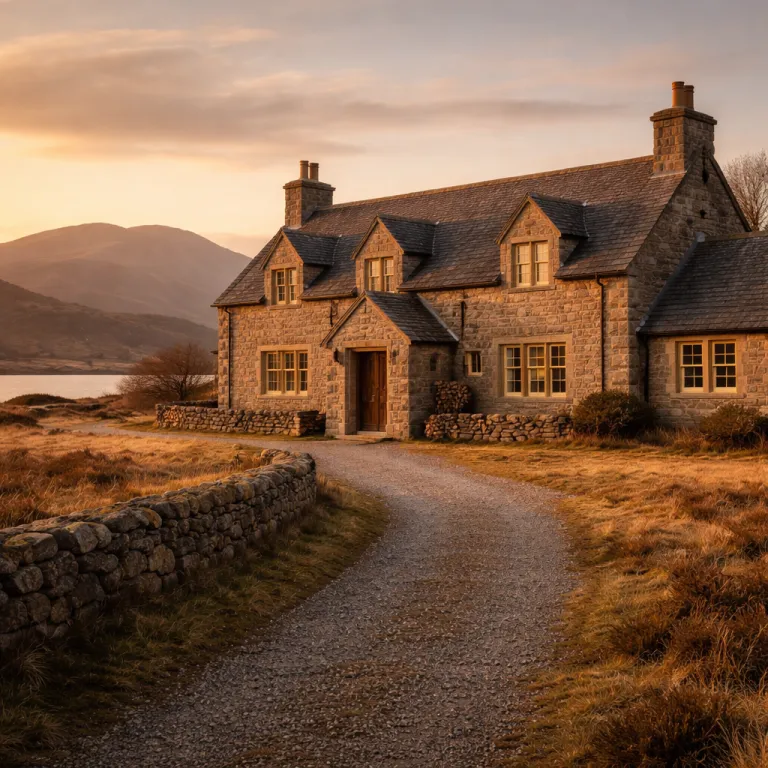
Heritage and character of the traditional scottish hunting lodge
A scottish hunting lodge blends aristocratic history with modern comfort. In the nineteenth century, landowners commissioned each lodge as a country house for seasonal sporting estates, where hunting and fishing framed the social calendar. These properties across the Highlands of Scotland still echo that heritage today.
Many of the most atmospheric lodges began as modest farmhouses on a remote estate. Local craftsmen used traditional stone construction and timber to create a solid house with thick walls, fireplaces, and wood paneling that softened the interior against the highland climate. Over time, these hunting lodges evolved into larger scottish castles style residences, with towers, turrets, and sweeping views over a nearby loch.
Historic names still resonate in the scottish highlands, from the Grants of Ballindalloch at Glenfeshie Lodge to the Hunter Blair family at Knockinaam Lodge. Laird Macintosh of Macintosh commissioned Glenspean Lodge, adding another chapter to the story of scottish hunting culture. Today, many of these properties operate as a luxury hotel or private highland retreat, where guests can read by the fire after a day outdoors.
Across Scotland there are around one hundred historic hunting lodges, with an average age of roughly a century and a half. This depth of history shapes everything from the interior design to the layout of each estate. When you choose a scottish hunting lodge, you are not only booking a room ; you are stepping into a living narrative of hunting, fishing, and highland life.
Choosing the right scottish hunting lodge for your stay
Selecting the ideal scottish hunting lodge begins with location. Decide whether you prefer the dramatic glens near Glencoe, the softer landscapes of Inverness shire, or the wild expanses close to Cairngorms National Park. Each region of Scotland offers a different balance of remoteness, access, and activities around your chosen house or hotel.
Next, consider the style of estate and interior design that suits you. Some lodges embrace a restrained country house aesthetic, with muted tweeds, stone fireplaces, and views across the edge loch, while others lean into a more opulent scottish castles atmosphere. A few properties, such as kinloch lodge, combine the feel of a family home with refined service, creating a true scottish welcome for guests.
Practicalities matter as much as romance when planning a highland retreat. Check availability well in advance, especially if you are travelling in peak hunting or fishing seasons, and always read the room descriptions carefully. If you are pairing your scottish hunting stay with time in London, you might enjoy this guide to a magical Harry Potter themed hotel escape before or after your journey north.
Finally, look closely at the activities offered on the estate and in the surrounding highlands. Some lodges focus on traditional hunting fishing experiences, while others highlight walking, cycling, or gentle days by a loch. Whatever your priorities, a well chosen scottish hunting lodge will frame your time in Scotland with comfort, character, and a strong sense of place.
Experiencing hunting, fishing, and outdoor life around the lodges
Outdoor life is central to the appeal of any scottish hunting lodge. Historically, these houses hosted aristocratic hunting parties that travelled to the highlands for red deer stalking, grouse shooting, and salmon fishing. Today, many estates still offer guided hunting and fishing, but with a stronger focus on sustainability and guest education.
On a typical sporting estates itinerary, mornings might begin with a briefing in the main house, followed by a day on the hill with experienced stalkers. In the afternoon, guests often turn to fishing on a nearby loch or river, where brown trout and salmon are the main draw. Some lodges near loch ness or Glencoe combine these activities with gentle walks, allowing non sporting guests to enjoy the same landscapes without joining the hunt.
Many properties now balance traditional scottish hunting with broader outdoor pursuits. You might kayak along the edge loch, explore trails within a nearby national park, or simply sit on the terrace and enjoy the view across the highlands. Afterward, the hotel team can arrange a massage, a whisky tasting, or a private dinner in a wood paneled room that reflects the building’s nineteenth century origins.
For travellers who enjoy themed stays across the United Kingdom, a highland retreat pairs well with more urban experiences. You could contrast the quiet of a scottish hunting lodge with a dramatic red room hotel experience elsewhere in the country. Whatever combination you choose, the key is to match the pace of your activities with the restorative atmosphere that these historic lodges naturally provide.
Architecture, interior design, and the evolution of comfort
The architecture of a traditional scottish hunting lodge reflects both practicality and prestige. Early examples in the nineteenth century often adapted existing farmhouses, adding extra wings and a more formal entrance to create a suitable country house for guests. Over time, owners commissioned grander designs that echoed scottish castles, with turrets, gables, and long drives leading through the estate.
Inside, the interior design has evolved from purely functional spaces into refined, comfortable rooms that still respect the building’s origins. Expect generous fireplaces, wood paneling, and deep sofas in the main house, alongside bedrooms that balance period details with modern bathrooms. Many lodges now highlight local craftsmanship, using wool, stone, and leather to create a true scottish atmosphere without feeling heavy or outdated.
Some properties, such as kinloch lodge and other renowned lodges in the scottish highlands, have become benchmarks for sensitive restoration. They retain the character of a victorian hunting residence while introducing contemporary lighting, discreet technology, and thoughtful amenities. When you read property descriptions, look for references to original features, as these often indicate a careful approach to renovation.
Comfort today extends beyond the physical interior to the way a hotel or estate is managed. Guests expect clear contact info, flexible check in options, and staff who can arrange everything from a driver to a guided walk in Cairngorms National Park. As you compare lodges across Scotland, pay attention to how each one presents its design story and service philosophy, because these details will shape your overall experience.
Planning your stay: practical tips for luxury lodge bookings
Thoughtful planning will help you make the most of a scottish hunting lodge stay. Begin by deciding how many nights you will spend in the highlands and whether you prefer one base or a journey between several lodges. Remember that driving distances in Scotland can be longer than they appear on a map, especially on single track roads.
Once you have chosen your preferred region, compare several properties within the same area. Look at the size of each estate, the range of activities, and whether the lodge operates as a full service hotel or a more private house with limited staff. Reading recent guest feedback can highlight how well the team manages details such as dining, guiding, and transport.
Weather in the scottish highlands is famously changeable, so pack layers, waterproof clothing, and sturdy footwear. Even if you plan to focus on fishing or gentle walks by a loch, conditions can shift quickly, particularly near Cairngorms National Park or the more exposed glens around Glencoe. Many lodges provide drying rooms and boot racks, which are invaluable after a day of hunting fishing or exploring.
When booking through a specialist platform, look for curated collections that emphasise heritage properties and refined service. A resource such as this guide to premium hotel stays and refined guest experiences in Berkshire can help you understand what to expect from higher tier accommodation. Apply the same standards to your scottish hunting lodge search, ensuring that the property’s facilities, setting, and service level align with your expectations.
Comparing regions, estates, and value for discerning travellers
Different regions of Scotland offer distinct experiences for guests seeking a scottish hunting lodge. Inverness shire provides convenient access to loch ness, Cairngorms National Park, and transport links, making it ideal for first time visitors. The west coast and Glencoe region feel wilder, with dramatic mountains and sea lochs that create unforgettable views from many lodges and country houses.
When comparing estates, consider how each one balances privacy with accessibility. Some sporting estates sit deep within the highlands, where the nearest village may be many kilometres away, while others lie closer to small towns with additional dining options. Decide whether you prefer the seclusion of a highland retreat or the flexibility of a lodge that allows easy day trips.
Value in this context is about more than nightly rates. Look at what is included, from guided hunting and fishing to use of boats on the loch or transfers from the nearest station. A property that appears expensive at first glance may represent strong value if it includes activities, meals, and personalised service that would otherwise add significant cost.
Finally, remember that many of these lodges are part of living, working estates with deep roots in scottish hunting traditions. "A Scottish hunting lodge is a country house used historically for organizing hunting parties." "Are Scottish hunting lodges still in use?" "Many have been converted into hotels or private residences." "Can you stay in a Scottish hunting lodge?" "Yes, several have been transformed into accommodations for guests." When you review contact info, policies, and estate histories, you are assessing not only a hotel stay but also your place within a long running highland story.
Key statistics about scottish hunting lodges and heritage stays
- There are around 100 traditional hunting lodges across Scotland, many of them located in the highlands and on long established sporting estates.
- The average age of a scottish hunting lodge is approximately 150 years, reflecting their origins in the nineteenth century era of aristocratic hunting.
- Many former hunting lodges have now been restored and converted into luxury hotel style accommodations, while others remain private country houses.
Essential questions about staying in a scottish hunting lodge
What is a Scottish hunting lodge?
A Scottish hunting lodge is a country house used historically for organising hunting parties, usually located on a rural estate in the highlands or other wild regions of Scotland. These houses provided accommodation, dining, and social spaces for guests who travelled to the estate for seasonal hunting and fishing. Today, many of these lodges operate as refined hotels or private rentals that retain their original character.
Are Scottish hunting lodges still in use?
Many Scottish hunting lodges remain in active use, although their roles have evolved over time. Some continue to function as bases for traditional hunting and fishing on sporting estates, while others have shifted towards broader outdoor tourism, wellness, and heritage focused stays. A significant number have been converted into luxury hotels or exclusive use properties that welcome guests from around the world.
Can you stay in a Scottish hunting lodge?
Yes, travellers can stay in a wide range of Scottish hunting lodges that now operate as hotels, guest houses, or exclusive use country houses. Options range from intimate highland retreats with only a few rooms to larger estates with extensive facilities and activities. When planning your stay, it is wise to check availability early, review the estate’s contact info carefully, and confirm which services and experiences are included in your chosen rate.
Trusted references for further reading : VisitScotland, Historic Environment Scotland, National Trust for Scotland.