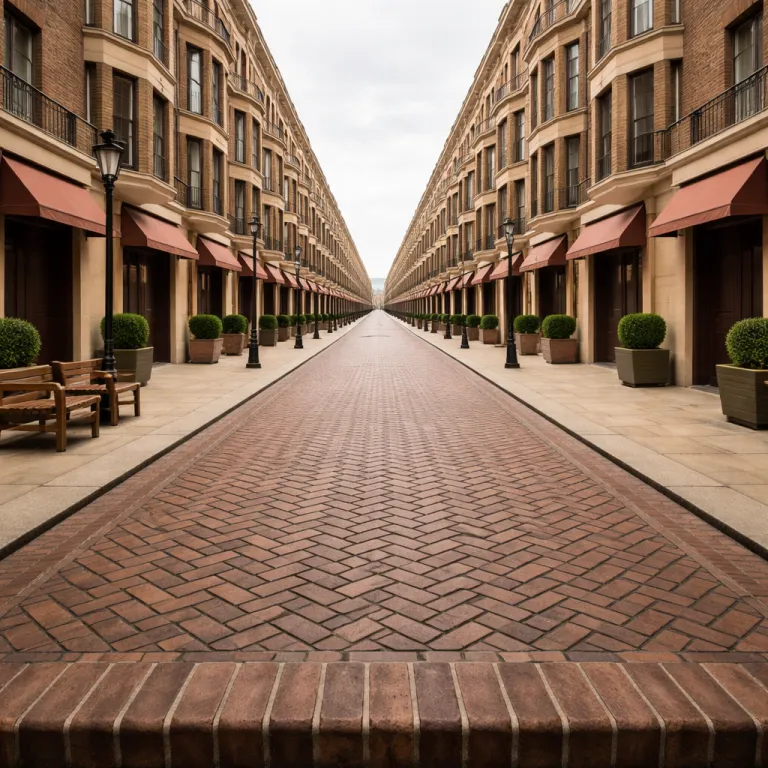
Why this london hotel openings 2026 review is really about sameness
Walk into the average new luxury hotel in London next year and you will know the script before the doorman reaches for the handle. The typical city opening now follows a near identical brief, with a heritage-listed façade, a headline chef, a vast spa and a promise of cultural programming that could sit in any global capital. For travellers planning a visit through a luxury and premium booking website, the real question is no longer which address will impress, but which one actually has a point of view.
Across the new luxury pipeline covered in this london hotel openings 2026 review, more than 3,600 additional rooms are scheduled to arrive, heavily weighted toward Mayfair, Bayswater and the West End. Developers and operators argue that these extra keys will meet post-pandemic demand and allow guests to enjoy London’s renewed energy, yet the on-the-ground experience risks blending into one polished blur. When five different hotels share the same marble lobby aesthetic, the same cryotherapy spa menu and the same style of all-day dining restaurant, the guest rooms start to feel interchangeable.
The pattern is clear in project briefs circulating between luxury hotel developers, architectural firms and marketing équipes. A historic building conversion will feature a grand staircase restored with painstaking care, a luxury spa that offers every treatment from sound baths to biohacking, and a restaurant led by a chef with a television profile rather than a daily presence on the pass. Any serious overview of upcoming london hotel openings in 2026 must therefore ask not only which property offers the best rooms, but which one will resist the gravitational pull of homogenisation.
For the business-leisure traveller extending a City of London trip into a long weekend, the risk is subtle but real. You might book a much-hyped luxury hotel in Mayfair, only to realise the social hub in the lobby feels eerily similar to last season’s resort you stayed at in the United States or on Miami Beach. The broader survey of new London luxury hotels becomes a study in déjà vu, where the only meaningful difference between high-end properties is the logo on the key card and the image credit on the press shots.
Homogenisation is not just an aesthetic issue; it is a strategic one. When every new city hotel competes on the same set of amenities, price becomes the blunt instrument that separates them, which is precisely the oversupply risk analysts warn about. As one recent development analysis from Hotel Report (2024 London Luxury Pipeline, based on planning approvals and announced projects) puts it without euphemism, “Market oversupply leading to price competition and reduced occupancy rates is a realistic scenario if demand growth underperforms the current room pipeline.”
For existing grande dames such as Claridge’s, The Connaught and The Berkeley, the danger is not immediate loss of market share. Their guest rooms, suites and private residences remain booked by loyalists who value history and service choreography that newer hotels cannot yet match. The deeper risk is erosion of distinction, as new arrivals borrow their visual language and service rituals until even the most storied London hotel feels like just another stop in a global circuit of polished, placeless luxury.
From the perspective of myukstay.com, which curates luxury hotel options across the United Kingdom, this london hotel openings 2026 review is a warning as much as a guide. Our readers do not simply want more rooms; they want reasons to care about where they sleep, dine and hold meetings. The task now is to identify which openings will offer genuine character and which will merely add to the noise.
Where the new openings genuinely break the mould
Amid the copy-paste brief dominating this london hotel openings 2026 review, a handful of projects have committed to a sharper point of view. Six Senses Bayswater is the clearest example, taking a tired corner of West London and turning it into a wellness-led enclave that treats the city itself as part of the spa circuit. Rather than importing a generic beach resort template, this urban retreat-style property leans into London’s Georgian terraces, garden squares and moody skies as part of its sensory palette.
Six Senses as a brand has always traded on the idea that guests enjoy a deeper connection to place, and the Bayswater outpost looks set to honour that promise. The spa will feature a magnesium pool and treatment rooms that reference the city’s Victorian bathhouses, while the rooms and suites are designed as calm, layered spaces rather than glossy showpieces. For a detailed look at how this plays out in practice, our dedicated review of the Six Senses Bayswater opening unpacks why this is more than another wellness marketing exercise.
In the context of the wider 2026 luxury pipeline, Six Senses also challenges the standard food and beverage playbook. Instead of a single celebrity-anchored restaurant, the hotel offers a series of dining spaces that shift from quiet breakfast room to animated social hub by night, with menus built around London’s multicultural larder rather than imported concepts from Miami Beach or the United States. This approach to dining means the restaurant becomes a genuine neighbourhood address, not just a photo backdrop for hotel guests.
Elsewhere, smaller design-led entrants such as House of Gods and ERGON are pushing against the idea that luxury must equal vast guest rooms and cavernous event spaces. Their rooms are compact but theatrical, with suites that prioritise mood, music and lighting over square-metre bragging rights. For business travellers who will visit London frequently, these boutique hotels offer a welcome alternative to the identikit international chain model, especially when booked through a platform that understands the nuances of each property.
Hotel Indigo London K West, another outlier in this london hotel openings 2026 review, leans into its music heritage rather than sanding it down. The guest rooms and suites reference the building’s recording studio past, while public areas double as a social hub for local creatives rather than a generic co-working lounge. Here, the hotel will feature event spaces that feel more like listening rooms and private residences for ideas than conventional conference suites.
What unites these outliers is not a rejection of comfort or service, but a refusal to copy the same heritage conversion template. They still offer well-considered rooms, a spa or wellness element and thoughtful dining, yet each decision is filtered through a clear narrative about place. For travellers using a luxury and premium booking website to plan a visit, these are the properties that justify their nightly rate by giving you a story to bring home, not just a receipt for another anonymous stay.
From a market perspective, these distinct openings also provide a hedge against the oversupply risk that hangs over the london hotel openings 2026 review. When a hotel offers something genuinely singular, it competes less on price and more on relevance to a specific guest. As one London-based asset manager told us, “In a crowded field, the properties that outperform on RevPAR are the ones that stand for something clear, even if that means appealing to a narrower audience.” That is where long-term loyalty, and real credit with discerning travellers, is quietly built.
The power and limits of the chef led luxury hotel
One of the most visible threads running through the london hotel openings 2026 review is the chef-as-anchor strategy. New luxury hotel projects from Mayfair to Westminster are built around a marquee name in the kitchen, often announced before the first guest rooms are even designed. For travellers browsing a booking website, the promise of a destination restaurant on site can be the deciding factor between otherwise similar high-end hotels.
At Waldorf Astoria Admiralty Arch, the stakes are particularly high because the building itself already carries enormous symbolic weight. This is not just another city hotel but a literal gateway between The Mall and Trafalgar Square, and the hotel will feature a restaurant and bar programme expected to draw as many Londoners as international guests. Our in-depth look at the Waldorf Astoria Admiralty Arch opening explores how the brand balances ceremonial grandeur with the need for a genuinely warm social hub.
In the context of the london hotel openings 2026 review, Waldorf Astoria represents the apex of the heritage conversion model. The hotel offers guest rooms, suites and private residences that frame postcard views, a spa that provides every treatment a time-poor executive could want, and event spaces designed for both state-level receptions and discreet board meetings. Yet even here, the risk is that without a distinctive culinary and cultural stance, the experience could echo other Waldorf Astoria properties in the United States more than it reflects the grain of London life.
Rosewood’s expansion in London, including the anticipated Cambridge House project under the Auberge Resorts Collection umbrella, raises similar questions. A Rosewood luxury hotel typically leans into residential warmth, with rooms and suites that feel like well-appointed private residences and dining rooms that blur the line between restaurant and salon. For this new-wave london hotel openings 2026 review, the key issue is whether these properties will offer a genuinely London-specific take on that formula or simply replicate a successful template honed in markets from New York to Miami Beach.
Capella and other high-touch operators entering the city bring their own interpretation of service, often described as intuitive or almost telepathic. In practice, that means a concierge who will offer to reroute your airport transfer when a meeting overruns, or a spa therapist who remembers your preferred pressure from a previous visit. When these brands open new flagship hotels in London, any credible review of upcoming luxury openings must ask whether they are adding fresh dimensions to the city’s hospitality scene or just extending a global circuit of interchangeable luxury.
For travellers, the practical takeaway is clear. When comparing new openings on a booking platform, look beyond the chef’s name and ask how the restaurant interacts with the rest of the hotel, whether local Londoners actually book tables there, and how the dining spaces connect to the bar, lobby and outdoor terraces. A hotel will feel genuinely alive when its restaurant and bar act as a true social hub for the neighbourhood, not just a stage set for hotel guests to enjoy a single, heavily photographed meal.
In this london hotel openings 2026 review, the chef-led model is not inherently a problem. It becomes one when it is used as a shortcut for identity, masking the fact that the guest rooms, spa and public areas could belong to any other luxury hotel in the portfolio. The most successful new openings will feature culinary programmes that grow organically from the building, the street and the city around them, rather than from a brand deck circulated between continents.
How to choose wisely in a crowded luxury field
For the business-leisure traveller scrolling through a luxury and premium booking website, the london hotel openings 2026 review can feel overwhelming. You are presented with a parade of polished images, each property offers similar language about curated experiences, wellness journeys and immersive dining. The challenge is to cut through the marketing and identify which hotels will actually enhance your visit rather than blur into one another.
Start by interrogating the basics that glossy photography tends to obscure. Look at the size and layout of guest rooms and suites, not just the headline number of rooms entering the market, and ask whether the accommodation has been designed for working, relaxing and sleeping or simply for looking good in an image credit. Pay attention to event spaces if you plan to host meetings or small gatherings, because a well-proportioned room with natural light and good acoustics will offer more value than a cavernous ballroom you never use.
Location still matters more than almost any other factor in this london hotel openings 2026 review. A city hotel in Mayfair will offer a very different rhythm to one in Bayswater or Shoreditch, and your choice should reflect how you actually move through London during a stay. Our wider coverage on myukstay.com, including guides such as the one on elegant stays in York for discerning guests, consistently emphasises matching neighbourhood character to travel purpose.
Next, examine how each luxury hotel talks about its spa, wellness and cultural programming. A property that will feature a spa because every competitor has one is unlikely to deliver a transformative experience, whereas a hotel that integrates wellness into its architecture, lighting and daily rituals will offer more than a menu of treatments. In this london hotel openings 2026 review, Six Senses Bayswater stands out precisely because its spa offers a coherent philosophy rather than a checklist of trends.
Service style is harder to read from a website, but there are clues. Hotels aligned with brands such as Capella, Rosewood, Auberge Resorts and Waldorf Astoria tend to emphasise personalised attention, yet the execution varies widely between properties and countries, from London to the United States. Reviews that mention specific staff members by name, thoughtful gestures offered without being asked and genuine courtesy in handling problems are more telling than generic praise.
Finally, consider where homogenisation is acceptable and where it is not. You may welcome a familiar mattress, reliable Wi-Fi and predictable in-room dining after a long-haul flight, and in those areas a certain sameness across luxury hotels can be comforting. Where you should demand difference, especially in a london hotel openings 2026 review context, is in how a property connects you to the city outside its doors, whether through walking routes sketched by a concierge, restaurant recommendations that go beyond the usual lists or introductions to local galleries and makers.
For those planning multiple trips, it can be worth spreading your stays between grand heritage addresses, sharper design-led newcomers and quieter residential-style properties. This approach not only keeps your own experience fresh, but also sends a clear market signal that travellers will reward hotels that offer genuine character over formulaic luxury. In a year when thousands of new rooms are coming online, that is the most powerful credit you can extend.
Key figures behind London’s luxury hotel expansion
- Since the start of the current development cycle, more than 5,300 new hotel rooms have been added to London’s inventory, signalling a rapid expansion that underpins the london hotel openings 2026 review (source: Hotel Report, “London Hotel Development Monitor 2018–2024”, based on planning data, construction updates and officially announced openings).
- Approximately 757 new luxury rooms are scheduled to open in London in the year immediately preceding the main wave of projects, creating a pipeline that feeds directly into the 3,600-room surge highlighted in this london hotel openings 2026 review (source: Hotel Report, “UK Luxury Segment Outlook 2025”, using branded pipeline disclosures and operator filings).
- The number of London hotel rooms priced above 1,000 US dollars per night has increased by 182 percent compared with pre-pandemic levels, illustrating how the city has repositioned itself at the very top of the global luxury hotel market (source: Bloomberg, “London’s $1,000-Night Boom”, 2023, based on a sample of major online booking platforms and direct brand channels).
- Analysts tracking the london hotel openings 2026 review warn that the combination of new constructions, historic conversions and extensive renovations could lead to market oversupply, with price competition and reduced occupancy rates as likely outcomes if demand softens. In its 2024 London Luxury Pipeline note, Hotel Report models a downside scenario in which average occupancy for new openings stabilises 6–8 percentage points below the citywide five-year average.
- Industry observers note that the majority of new luxury projects follow a similar development model, typically combining a heritage-listed building, a named chef, a large spa and cultural programming, which amplifies the homogenisation risk at the heart of this london hotel openings 2026 review. As one senior consultant quoted in the same Hotel Report study puts it, “If everyone is chasing the same guest with the same product, the only lever left is rate, and that is not a sustainable strategy.”