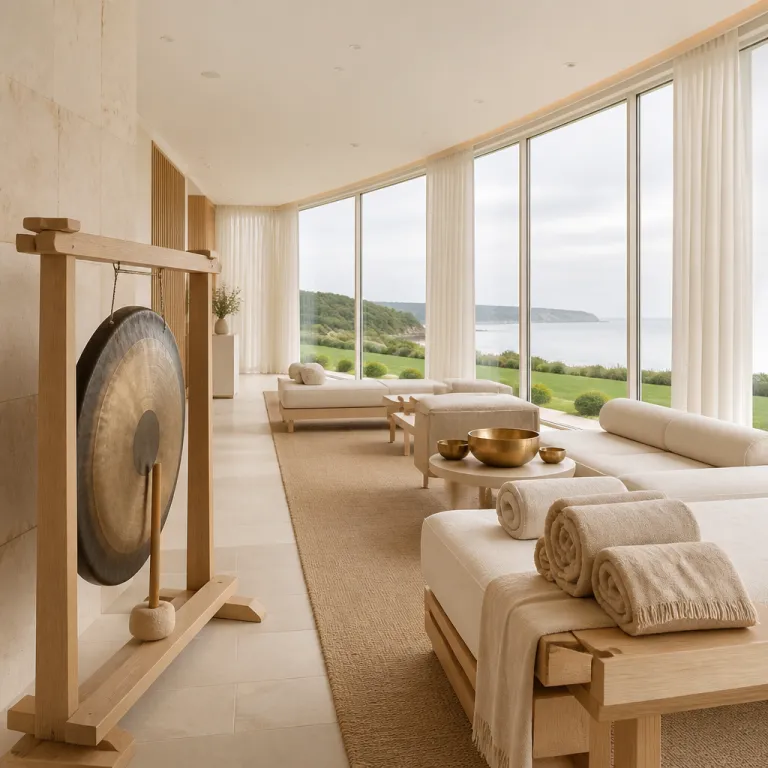
Why sound healing hotel spa UK stays are changing the wellness script
Sound healing hotel spa UK experiences are no longer a fringe curiosity in British hospitality. Across the United Kingdom, serious spas are building entire wellness journeys around sound, rather than adding a token gong to a crowded spa treatment menu. For solo travellers, this shift turns a standard hotel stay into a focused wellbeing retreat that feels both intimate and quietly radical.
British hotel spas now treat sound as a primary therapy, not background decoration. Properties from the Cotswolds to the Scottish Borders schedule structured sound healing sessions using gongs, singing bowls and chimes, often in acoustically zoned relaxation rooms. This reflects a wider move in wellness where the spa is designed as a sanctuary for the nervous system, with mechanical hums, corridor chatter and pool echoes deliberately engineered out.
Wellness directors at leading hotels talk less about long spa treatment lists and more about curated healing experiences. A typical sound bath might run for 45 to 60 minutes, with the session will begin in silence before a therapist layers in low frequency gongs and higher singing tones. For guests tracking their mental health as closely as their step count, this kind of therapy offers a measurable drop in stress and a rare sense of deep leisure.
From treatment menus to immersive acoustic journeys
The most forward thinking sound healing hotel spa UK addresses have quietly retired the old laminated spa menu. Instead, they offer integrated wellness itineraries where sound therapy, hydrotherapy and breathwork are sequenced like a tasting menu for the senses. You might start with a floating sound meditation in a dimly lit pool, then move into a dry room for a more intense sound bath with gongs and singing bowls.
British hotel spas and specialist sound healing practitioners now collaborate closely to design these journeys. The aim is clear ; promote relaxation, reduce stress and enhance overall wellbeing through carefully calibrated sound frequencies. One Healthline referenced study reports a reduction in stress levels after sound healing of around 20 %, a figure that aligns with what many UK spa directors observe anecdotally in guest feedback.
For travellers, this means the question is no longer which spa treatment to book, but which experience will best support their current state. A guest arriving after a red eye flight might choose a gentle sound bath focused on grounding the nervous system. Another, recovering from burnout, may opt for a series of healing sessions across a long weekend, combining sound therapy with mindful movement and time in a heated pool.
How British hotel spas are built for silence, not just style
Acoustic wellness in the United Kingdom has moved from marketing phrase to architectural brief. The most serious sound healing hotel spa UK properties now work with acoustic consultants at the same stage as interior designers, treating sound as a structural material. Walls, ceilings and even pool surrounds are specified to absorb or diffuse noise, creating a sense of quiet that feels almost rural, even in city hotels.
This is where the Global Wellness Institute’s emphasis on acoustic zoning becomes visible on the ground. Hydrotherapy areas, where water sound can be naturally loud, are separated from meditation suites and sound therapy rooms by dense partitions and soft finishes. Mechanical plant rooms are pushed away from treatment corridors, while circulation routes are planned so that guests leaving a lively pool do not pass directly by a still, candlelit coach house style relaxation lounge.
If you want to understand how far British spas have come, read this analysis of the quiet revolution in British hotel spas. Recovery rooms, not long lists of spa treatment options, now define the most interesting properties. In these spaces, sound healing, breathwork and guided rest sessions are scheduled like theatre performances, with lighting, temperature and even the faint hum of air conditioning tuned to support the nervous system rather than distract it.
Acoustic zoning in practice: from pool to sound bath
Consider a well designed countryside property where the main spa pool sits under a glass roof, with views of the surrounding fields. Here, the architects use textured stone, timber slats and fabric panels to soften the splash and echo of water, so the sound remains lively but never harsh. Step through a thick door and you enter a darker, warmer suite where a sound bath will take place, the transition in acoustics as marked as the shift in light.
In these suites, the floor might be sprung wood, the ceiling lined with acoustic baffles and the walls draped in heavy fabric, all chosen to support singing bowls and gongs. When the therapist begins the sound healing session, the vibrations feel contained, almost held by the room, rather than bouncing around like noise in a municipal pool. This is acoustic zoning at work ; each space in the spa is tuned for a specific wellness experience.
For guests, the result is a kind of invisible luxury that goes beyond marble and chrome. You may not consciously notice why your shoulders drop the moment you leave the main leisure areas, but your body registers the shift in sound. That is the difference between a hotel that simply plays whale recordings in the lobby and a property that treats sound as a core element of wellness design.
Where sound meets contrast therapy, cold plunges and breathwork
Another layer in the sound healing hotel spa UK story is the rise of contrast therapy retreats. These programmes combine cold plunge pools, hot thermal suites and guided breathwork with carefully curated soundscapes. The aim is to move the nervous system between activation and deep rest in a controlled, supported way, rather than leaving guests to bounce between extremes.
In practice, a typical session will start with functional breathing coaching beside a cold plunge, often led by a personal trainer or breathwork specialist. Guests then move into a heated pool or hydrotherapy circuit, where underwater speakers carry low frequency sound designed to feel more like vibration than music. Only after the body has shifted out of shock and into a calmer state does the group enter a dedicated sound therapy room for a full sound bath.
Country house hotels in counties like Hampshire and Yorkshire are particularly strong at weaving these elements into weekend packages offers. A guest might book a two night stay that includes structured healing sessions, guided walks and generous dining, rather than a scattergun selection of treatments. For a sense of how British properties frame these immersive stays, look at this guide to a two night festive spa break in Hampshire, then imagine the same attention to pacing applied to sound led wellness.
Designing a solo wellness weekend around sound
If you are travelling alone, the key is to book a hotel where sound healing is integrated into the wider spa rhythm. Start by checking the latest news section on the property website to see how often sound baths or floating sound meditations run. A one off sunday evening session feels very different from a hotel where healing sessions are scheduled several times a day, forming the backbone of the wellness programme.
Plan your leisure time so that intense experiences are balanced with softer rituals. You might schedule a morning sound therapy session, followed by unhurried afternoon tea in the main house, then a gentle swim in the heated pool before private dining in a quiet corner. The best hotels understand that wellbeing is cumulative ; the way staff speak, the pace of service and even the sound level in the grill restaurant all contribute to how your nervous system feels by the time you return to your suites.
For those used to high tempo city breaks, this slower, sound centred approach can feel unfamiliar at first. Yet many solo travellers report that a weekend structured around acoustic wellness leaves them more restored than a week at a larger island resort. The difference lies in attention to detail, and in a property’s willingness to let silence, not just facilities, carry the experience.
What the evidence says about sound therapy versus the marketing
With any emerging wellness trend, the marketing often races ahead of the science. Sound healing hotel spa UK offerings are no exception, and a discerning traveller should understand both the promise and the limits of current research. The core idea is simple ; therapy using sound vibrations to promote health, usually through instruments like gongs, singing bowls and chimes.
Studies suggest benefits like stress reduction, and some research points to measurable drops in anxiety and improved sleep quality after structured sound therapy. One frequently cited figure is that stress levels can fall by around 20 % after a focused sound healing session, which aligns with guest reports of feeling calmer and more grounded. However, the evidence base is still developing, and sound healing should be seen as a supportive wellness tool rather than a standalone medical treatment for serious mental health conditions.
For context, many British hotel spas position sound healing alongside more established modalities such as massage, hydrotherapy and mindfulness based meditation. The most credible properties are transparent about what sound therapy can and cannot do, framing it as a way to support the nervous system, not a cure for complex diagnoses. When you read a spa brochure, look for language that emphasises relaxation, wellbeing and complementary support, rather than grand promises of transformation after a single session.
How to read between the lines of spa marketing
When assessing a sound healing programme, start with the practical details. Does the hotel specify the duration of each session, the instruments used and the training of the practitioners, or does it rely on vague phrases about ancient rituals and high vibrational frequencies ? A clear description that mentions gongs, singing bowls and structured sound baths is usually a positive sign.
Next, pay attention to how the property integrates sound into the wider spa treatment and wellness offer. A hotel that only mentions sound in passing, while focusing heavily on generic beauty therapies, may be using the term as a trend driven add on. By contrast, a property that explains how sound sessions are scheduled, how rooms are acoustically designed and how sound supports mental health is more likely to take the practice seriously.
Finally, consider how the hotel talks about outcomes. Credible spas reference relaxation, improved sleep and reduced stress, sometimes citing external sources such as Healthline or the Global Wellness Institute, rather than making unsupported medical claims. This grounded approach respects both the emerging science and the intelligence of guests who want wellness experiences that feel both luxurious and honest.
How to spot genuine acoustic wellness when you book
For travellers using a platform like myukstay.com to choose a sound healing hotel spa UK stay, the challenge is separating substance from soft focus marketing. Start with the basics ; how does the property describe its spa architecture and acoustic design, not just its list of treatments. A hotel that mentions sound absorbing materials, quiet zones and dedicated meditation suites is signalling a deeper commitment to acoustic wellness.
Look closely at the spa timetable before you book, ideally by requesting it via the reservations team or a dedicated wellness concierge. Regularly scheduled sound baths, floating sound meditations and small group healing sessions suggest that sound therapy is woven into the daily rhythm, rather than offered as an occasional novelty. If the latest news page highlights collaborations with sound healing practitioners or wellness centres, that is another strong indicator of seriousness.
Do not overlook the food and beverage side of the property either. A spa focused hotel that offers calm, unhurried dining, with options for private dining or quieter corners away from the main grill, is thinking about wellbeing beyond the treatment room. When you can book table times that align with your sessions, rather than being squeezed into noisy peak slots, your nervous system will thank you.
Questions to ask before confirming your stay
Before you commit, send a concise email protected style enquiry to the hotel, asking specific questions about sound healing. Who leads the sessions, how many guests are in each group and what instruments are used during the sound bath or sound therapy classes. A thoughtful, detailed reply suggests a spa team that understands its own programme, rather than one that has simply added a gong to an existing yoga class.
Ask whether the spa offers any one to one healing sessions for guests who prefer a more private experience. Some properties will arrange bespoke sound journeys in smaller suites or even in a guest room, particularly for solo travellers seeking quiet. Clarify how these sessions fit within wider packages offers, so you can plan your leisure time, pool access and dining without rushing between spaces.
Finally, consider how the hotel handles practicalities such as noise from events, weddings or lively bars. A property that can explain its acoustic zoning, from spa to main house to coach house style annexes, is more likely to protect the integrity of your wellness stay. The goal is simple ; a seamless experience where every element, from the sound of your footsteps in the corridor to the hush of the relaxation room, supports your wellbeing.
Designing your own sound led itinerary: from suites to afternoon tea
Once you have chosen a sound healing hotel spa UK property, the art lies in shaping your own itinerary. Start with your room or suites selection, favouring spaces set away from lifts, function rooms and busy bars, even if that means a slightly longer walk to the spa. A quiet house wing or coach house annex can make as much difference to your nervous system as the most elaborate sound bath.
Next, map your day around the key sound healing sessions, rather than squeezing them between other activities. A morning sound therapy class followed by a slow breakfast, a mid afternoon floating sound experience in the pool and an evening gong bath can create a gentle arc of stimulation and rest. Between these, schedule unhurried leisure time ; a walk in the grounds, a short nap, perhaps some reading in a silent relaxation lounge.
Food rituals matter more than many guests realise. Aim to book table times that frame your sessions, rather than cut through them, and consider one evening of private dining if the main restaurant tends to be lively. A carefully paced afternoon tea, taken after a deep sound bath, can feel like part of the therapy rather than an indulgent add on, especially when the dining room respects a softer soundscape.
When the gong matters more than the menu
In the most interesting British hotels, the real luxury is not the length of the spa treatment list or the complexity of the grill menu. It is the way the property orchestrates sound, from the hush of the corridors to the resonance of the gong that opens your evening session. This is where the gong genuinely matters more than the menu ; the quality of your rest, not the number of courses, defines the stay.
That does not mean food and drink are an afterthought. A hotel that takes acoustic wellness seriously will often extend the same care to its dining spaces, balancing conviviality with calm, and offering flexible seating so solo travellers can choose a quieter corner. When you read about an elegant café in another city, such as the Maybourne Café in Beverly Hills profiled in this guide to refined hotel café culture, you begin to see how sound, service and setting intertwine.
For your own trip, treat the spa, the room and the restaurant as a single ecosystem. Ask how the hotel manages sound across these spaces, and whether staff can adjust music levels or seating to support your wellbeing. In a world where many properties still equate luxury with visual spectacle, the quiet confidence of a hotel that prioritises your nervous system may be the most modern indulgence of all.
Key figures on sound healing and British hotel spas
- One Healthline referenced report notes a reduction in stress levels after sound healing of around 20 %, which aligns with guest feedback from several UK hotel spas that track post treatment surveys.
- Typical sound healing sessions in British spas last between 45 and 60 minutes, a duration that allows the nervous system to shift from alert to deeply relaxed states without overwhelming first time guests.
- British hotel spas now schedule sound baths and related healing sessions year round, with many properties offering multiple sessions per week rather than occasional seasonal events.
- Growing demand for holistic therapies has led to a marked increase in the integration of sound healing into luxury spa programmes across the United Kingdom, particularly in countryside properties with space for dedicated acoustic suites.
- Sound healing sessions commonly use a combination of gongs, singing bowls and chimes, instruments chosen for their ability to produce layered vibrations that support relaxation and perceived wellbeing.
Frequently asked questions about sound healing at British hotel spas
What is sound healing in a hotel spa context ?
In a British hotel spa, sound healing is a structured therapy using sound vibrations to promote health, usually delivered as a group or one to one session. Practitioners use instruments such as gongs, singing bowls and chimes to create a sound bath that encourages deep relaxation. The focus is on supporting the nervous system and overall wellbeing, rather than treating specific medical conditions.
Are sound healing sessions effective for stress and mental health ?
Evidence suggests that sound healing can reduce stress and support mental health when used as part of a broader wellness routine. Studies and practitioner reports indicate improvements in relaxation, sleep quality and perceived anxiety levels after regular sessions. However, sound therapy should complement, not replace, professional medical or psychological care for more serious conditions.
What instruments are typically used during a spa sound bath ?
Most British hotel spas use a mix of large gongs, crystal or metal singing bowls and smaller chimes during sound healing sessions. Some properties add gentle percussion or voice, but the core experience relies on sustained, layered tones rather than melody. The instruments are chosen for their ability to create vibrations that can be felt physically as well as heard.
How long does a typical sound healing session last in UK hotels ?
In UK hotel spas, a standard sound healing session usually lasts between 45 and 60 minutes. Shorter tasters of 20 to 30 minutes may be offered as part of wider spa days or contrast therapy circuits. Longer, more immersive sessions are sometimes scheduled on sunday evenings or during dedicated wellness retreats.
Is sound healing suitable for everyone staying at a hotel ?
Sound healing is generally suitable for most hotel guests, including solo travellers and first time spa visitors. People with specific health concerns, such as sound sensitivity, certain neurological conditions or pregnancy, should consult a practitioner or healthcare professional before joining a session. Reputable British hotel spas encourage guests to share any concerns in advance so the experience can be adapted or alternative therapies suggested.