From pampering to performance: how hotel spa recovery rooms in the UK are changing
Across England and the wider United Kingdom, hotel spa recovery rooms are quietly reshaping what wellness means for high performing travellers. The focus in leading spa hotels has shifted from scented candles and background music to measurable recovery, with facilities designed around sleep, stress and muscular repair rather than only indulgence. For business guests extending a trip, the new question is not whether a property has a spa and pool, but whether its recovery rooms genuinely help you feel sharper for the next meeting.
British hotel spas are redesigning spaces, training teams and investing in technology so that recovery becomes as central as the classic massage. Industry data shows the UK spa market already worth over 3 billion GBP, with millions of British adults visiting a spa each year, and that demand is now tilting towards evidence based wellness rather than theatrical rituals. That is why you increasingly see hydrotherapy pools, MLX Quartz Beds and Welnamis relaxation beds listed alongside the indoor pool and steam room on hotel websites, with clear guidance to help you check availability before you book.
This shift is especially visible in hotel spa recovery rooms in the UK, where guests move between thermal experiences, quiet treatment rooms and dedicated sleep pods in a structured circuit. Properties that once relied on a single hydrotherapy pool now layer in multiple hydrotherapy pools, contrast showers, steam rooms and hot tubs to support circulation and muscular recovery. When you read any serious review of the best spa hotels in England, you will notice how often the conversation has moved from fluffy robes to the science behind the pools and the recovery tools in each room.
Inside the new recovery toolkit: from magnesium pools to sound engineered calm
The most visible symbol of this new era is Six Senses London, whose 25,000 square foot spa includes the city’s first magnesium pool in a hotel, a flotation pod and a cryotherapy chamber. Here, mental health professionals work alongside traditional spa therapists, so a guest might alternate between a hydrotherapy pool circuit, a guided breathwork session and time in a sound engineered relaxation room. This is a very different proposition from the old model of a quick swim in the indoor pool, a turn in the steam room and a glass of cucumber water by the spa garden.
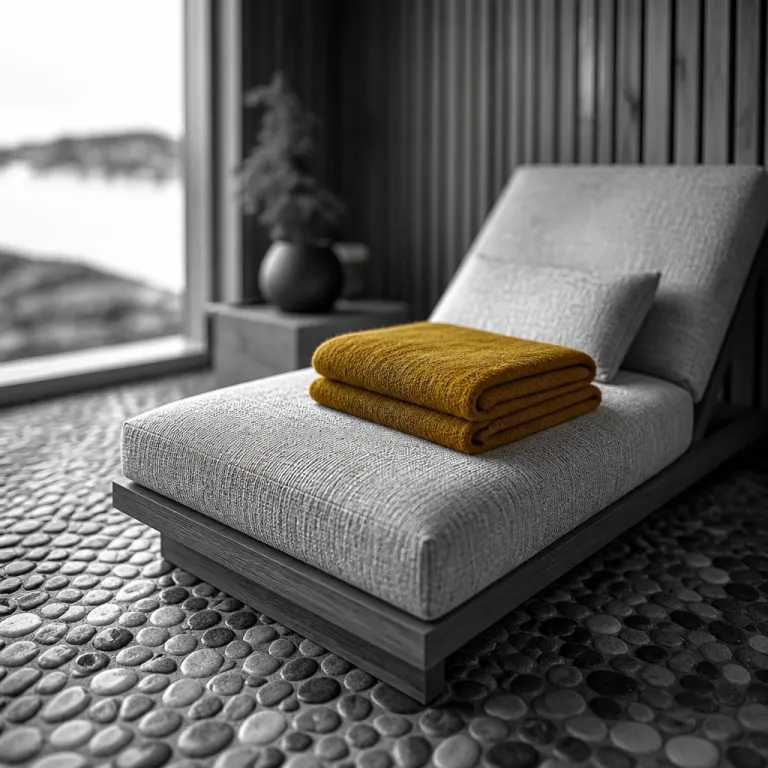
Across England and into Ireland, recovery rooms now often feature acoustic zoning, where sound absorbing architecture creates pockets of deep quiet even when the main pools are busy. You might move from a thermal suite with steam rooms and hot tubs into a darkened room where Welnamis beds use gentle vibration and audio frequencies to nudge the brain towards restorative states. As one industry explainer puts it without embellishment, “What are recovery rooms in spas? Spaces designed for relaxation and recuperation using advanced wellness technologies.”
For travellers who care about nature as much as neuroscience, country estates are pairing these tools with outdoor rituals and forest based practices. If you are planning a stay built around cold plunges, woodland walks and structured recovery, it is worth reading a specialist guide to forest bathing and cold plunges in the British country house context, such as the working vocabulary explored on this in depth country house wellness feature. The most forward thinking spa hotels now design year round programmes that combine indoor hydrotherapy pools, outdoor hot tub decks and quiet recovery rooms, so your wellness stay feels coherent rather than like a menu of disconnected treatments.
Where to book: leading hotel spa recovery rooms in the UK for business leisure stays
For executives who treat wellness as part of their performance strategy, certain properties stand out in the landscape of hotel spa recovery rooms in the UK. In Yorkshire, Grantley Hall has become a reference point, with a serious hydrotherapy pool, multiple hydrotherapy pools outdoors, contrast showers and treatment rooms that feel more like private health clinics than pampering spaces. The spa garden here is not just decorative planting around pools and a hot tub, but a carefully zoned area where you can move between thermal cabins, a steam room and quiet seating without losing that sense of calm.
Down in the Cotswolds, Lucknam Park offers a different mood, pairing a classic manor house aesthetic with a modern spa wing that leans into recovery. Guests can swim laps in the indoor pool, move through a sequence of steam rooms and thermal cabins, then retreat to recovery lounges where lighting, sound and temperature are tuned for nervous system reset. When you check availability and prices, look for packages that include extended access to these recovery rooms, not just a single treatment, because the real benefit comes from time and repetition.
In the Lake District, Low Wood Bay Resort on Windermere has used its lakeside setting to build a narrative around water based recovery, with an outdoor infinity pool, hot tubs overlooking the lake and indoor thermal facilities designed for use year round. Here, the contrast between cool lake air and warm pools is part of the therapy, especially after a long day of hiking or client entertaining. If you are considering a refined escape further south, you can also read a detailed guide to elegant spa hotels in Maidstone for a Kent based reset on this curated Maidstone spa hotels feature, which highlights properties that balance serious spa credentials with efficient access from London.
From golf courses to recovery circuits: why executives are changing their brief
Corporate travel used to revolve around the golf course, the bar and perhaps a token massage squeezed between meetings. The new generation of business leisure guests is more likely to ask whether a property offers structured recovery circuits, from hydrotherapy pools to sleep optimising recovery rooms, than whether the parkland golf course is championship grade. For hotel spa recovery rooms in the UK, this shift has become a clear commercial opportunity rather than a niche wellness experiment.
Executives who fly frequently and work across time zones are looking for spa hotels that can help regulate sleep, reduce inflammation and support mental clarity. That might mean a schedule where you check in, head straight to the spa to check availability for cryotherapy or flotation, then move through a thermal circuit of steam rooms, a hydrotherapy pool and a magnesium rich pool before dinner. The aim is not just to feel relaxed, but to arrive at the next day’s meetings with sharper focus and less residual fatigue.
Hotels that understand this are redesigning their offers, bundling access to recovery rooms, indoor pool lanes and quiet spa garden spaces into corporate rates. Some are even replacing traditional team building with guided recovery sessions, where colleagues rotate between treatment rooms, outdoor hot tub decks and structured breathwork in a calm room. For travellers who care as much about nutrition as about the pool, pairing these stays with thoughtful dining, such as an elegant gluten free afternoon tea in London’s finest hotels highlighted on this specialist afternoon tea guide, creates a joined up approach to performance that extends beyond the spa.
Does science heavy wellness risk feeling clinical in British hotels ?
There is a legitimate concern that the rise of equipment heavy recovery rooms could make hotel spa recovery rooms in the UK feel more like medical clinics than places of respite. Cryotherapy chambers, flotation pods and hyperbaric style oxygen therapies can sound intimidating, especially if you are used to the gentler rhythm of a swim in the pool, a turn in the steam room and a quiet herbal tea. The best spa hotels in England are acutely aware of this tension and are working hard to keep the experience warm, human and rooted in hospitality.
Design is doing much of the heavy lifting here, with recovery rooms wrapped in natural materials, soft lighting and views over a lake, a park or a landscaped spa garden rather than blank walls. At properties like Grantley Hall and Lucknam Park, the most advanced hydrotherapy pools and treatment rooms are tucked within wings that still feel like a manor house, with fireplaces, art and comfortable seating between sessions. Staff are trained not just in the operation of equipment, but in explaining the purpose of each pool, steam room or hot tub in plain language, so guests can read the options and make informed choices rather than feeling rushed.
For many travellers, the sweet spot lies in a blend of traditional and modern, where you can enjoy a classic bath spa ritual, a simple swim in connected pools or hot tubs, and then spend time in a quiet recovery room that subtly uses sound and light technology. Year round usability matters too, especially in the Lake District and coastal England, where outdoor facilities must work in rain as well as sunshine. When you review options and check availability, look for hotels that balance serious recovery tools with a sense of place, whether that is a view over Low Wood Bay, a walled spa garden or a historic house that still feels like a home.
FAQ
What exactly are recovery rooms in British hotel spas ?
Recovery rooms in British hotel spas are dedicated spaces designed to support physical and mental recuperation using advanced wellness technologies. They often include MLX Quartz Beds, Welnamis relaxation beds, hydrotherapy pools and carefully controlled lighting and sound. These rooms sit alongside traditional facilities such as the indoor pool, steam rooms and hot tubs, but focus on sleep, stress reduction and muscular repair rather than only relaxation.
Why are British hotel spas adopting recovery rooms so widely ?
British hotel spas are adopting recovery rooms to meet growing guest demand for modern, results oriented wellness experiences and to stay competitive in a rapidly expanding market. Industry data shows strong growth in spa visits and wellness spending, especially among high net worth travellers who see recovery as part of their performance toolkit. For hotels, integrating recovery rooms helps increase spa utilisation, justify premium prices and differentiate their offer from more traditional spa hotels in England and Ireland.
How should I choose between different hotel spa recovery rooms in the UK ?
When comparing hotel spa recovery rooms in the UK, start by checking whether the facilities match your goals, whether that is sleep, stress management or sports recovery. Look for clear information about hydrotherapy pools, thermal circuits, steam rooms, treatment rooms and any specialist tools such as flotation pods or cryotherapy, then check availability for the times you plan to use them. Reading detailed reviews and paying attention to design, staffing and whether the spa feels integrated with the wider house, park or lake setting will help you find the best spa for your style of travel.
Are recovery focused hotel spas suitable for a relaxing leisure break ?
Recovery focused hotel spas are well suited to relaxing leisure breaks, because the same tools that support performance also deepen rest. You can still enjoy a gentle swim in the pool, time in a steam room or hot tub and classic treatments, but with the added benefit of quiet recovery rooms and structured thermal circuits. Properties such as Grantley Hall, Lucknam Park and lakeside retreats near Low Wood Bay show how a manor house or country estate can offer both serious recovery facilities and a soothing, year round escape.
Do I need medical supervision to use recovery rooms in hotel spas ?
Most recovery rooms in hotel spas are designed for generally healthy adults and do not require medical supervision, though staff will usually ask basic health questions before certain therapies. Facilities such as hydrotherapy pools, steam rooms and relaxation beds are typically suitable for a wide range of guests when used as directed. If you have specific medical conditions, it is wise to read the spa information carefully, check availability for any adapted services and consult your healthcare provider before booking intensive recovery programmes.