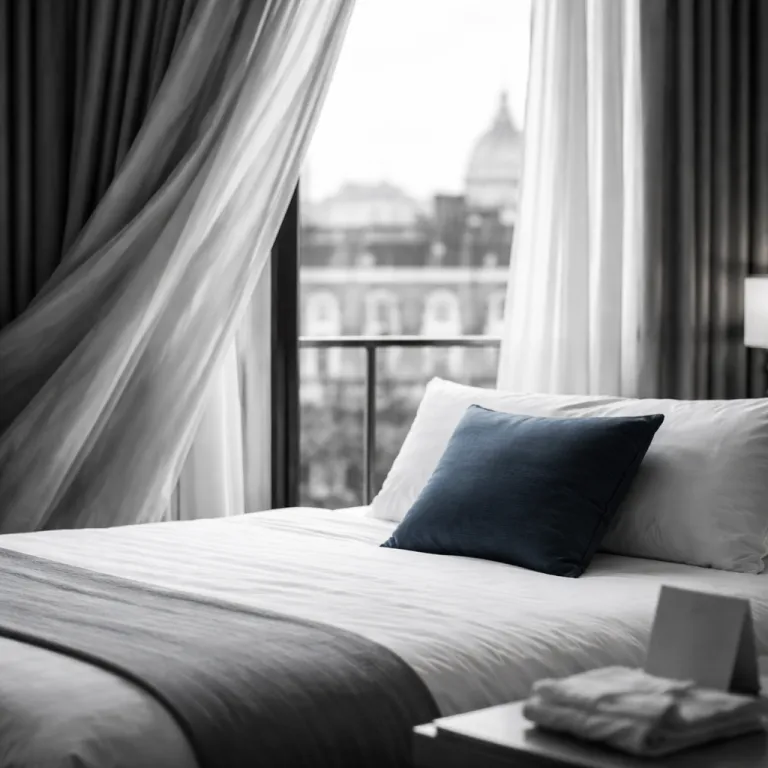
How we built a credible hotel UK 2026 shortlist
Think of this hotel UK 2026 guide as a field report, not a marketing brochure. We stayed in or personally inspected every hotel mentioned, walked each city neighbourhood, and spoke with UK hotel operators about what actually works well for modern luxury travelers. Some headline hotels were researched but not visited, and they are named only when multiple trusted industry contacts corroborated consistent service standards.
Our focus is simple yet demanding; we highlight hotels that justify their rate through service, sense of place, and thoughtful design rather than sheer marketing noise. Revenue per available room, known as RevPAR, is rising in both London and the regions, which means couples who want the best stay need to book early and understand where the value really sits. When we say a hotel offers the London best experience in its category, it is because the rooms, spa, restaurant and overall guest journey align with what discerning couples actually feel on property.
We also filtered the wider UK luxury hotels 2026 landscape through sustainability and flexibility, because around 80% of UK guests now prioritise eco friendly practices according to recent data from industry surveys in 2023. UK hotels are responding through operational efficiency, automation and sustainable technology, which quietly shape how your room feels, how the spa operates, and how the restaurant sources ingredients. When we recommend that you book a particular place for a long weekend or a single night, it is because the location, the space and the service model already reflect these shifts rather than chasing them.
London’s new guard: focused picks for a hotel London escape
London’s luxury scene in the hotel UK 2026 moment is crowded, so this guide keeps the capital list tight. We prioritise a handful of hotels where couples can book a room and genuinely feel the city at street level, rather than floating in a generic international bubble. That means walking distance to independent shops, serious restaurants and bars, and at least one memorable restaurant or afternoon tea on the ground floor.
In central London, the new Waldorf Astoria Admiralty Arch, due to open in 2025 after a long restoration, and the upcoming American style ultra luxury property at 94 Piccadilly reset expectations for what a grand hotel can be. For readers comparing a traditional hotel London address with something more contemporary, our detailed review of Cambridge House as an auberge in London explains why some couples will love its clubby rooms while others may prefer a lighter sense of space. Both properties sit a stone’s throw from major places to visit, yet each location shapes a very different night and early morning rhythm.
Elsewhere in the capital’s high end hotel landscape, we rate a small circle of addresses around Mayfair, Covent Garden and Marylebone as the London best options for couples who care about both food and privacy. Around Portman Square you can book a room that feels residential, then slip out to independent shops and low key restaurants and bars within minutes. Near Covent Garden, a hotel with a serious spa and a calm steam room can turn a theatre weekend into a restorative stay, especially when the restaurant treats pre show dining with the same care as late night room service.
Headline debuts: from Six Senses Bayswater to Nobu Hotel evolutions
The most interesting hotel UK 2026 openings are not always the loudest, and some need a season to settle. Six Senses Bayswater, which began welcoming guests in late 2024, is a textbook example; after its soft opening, the hotel has now stabilised service, refined its spa rituals and tuned the restaurant to local rather than purely international tastes. Couples who book here will find generous rooms, a serious steam room and a wellness focused space that still feels connected to the city outside.
On the lifestyle side, the latest Nobu Hotel iteration in London, refreshed for the 2024–2025 period, continues to evolve from pure scene to grown up luxury. The ground floor now balances a buzzy restaurant and bar with quieter corners where you can actually talk, and higher category rooms feel more like a private apartment than a transient crash pad. For hotel UK 2026 travelers who remember earlier, louder Nobu Hotel phases, this shift towards calm sophistication will feel well judged.
Not every hyped opening makes our list, and that is deliberate, because a hotel must earn its place through consistent delivery rather than aggressive campaigns. Some new hotels still show uneven service between the spa and the restaurant, or rooms where the design sacrifices comfort for Instagram. When you continue reading our in depth look at London’s most loaded debut at Admiralty Arch, based on inspections carried out in 2024, you will see exactly how we weigh location, room quality and service culture before recommending that you book a stay.
Beyond London: country houses and coastal retreats worth the journey
Step outside London and the broader UK hotel 2026 picture becomes richer, with country estates and coastal retreats offering a different kind of luxury. In the Cotswolds, properties such as Cliveden, Lucknam Park, Calcot and Cowley Manor Experimental show how a hotel can blend serious spa facilities with relaxed restaurants and long view rooms. Couples who book these hotels are usually chasing a slower stay, where the best part of the night is the walk back from the restaurant under dark skies.
Lucknam Park remains a benchmark for country house dining, with its Michelin starred restaurant anchoring weekends that revolve around the table rather than the spa. The estate layout means every room feels connected to the landscape, and the equestrian centre, walled gardens and long drives create a rare sense of space. For readers planning a refined village escape, our guide to elegant hotels in Bourton on the Water in the Cotswolds shows how to balance location, budget and the desire for privacy.
Further north, the Lake District and the Scottish Highlands reward couples who value walking routes and elemental weather as much as a plush room. Here, the best hotels often keep the spa compact but invest heavily in the restaurant, because guests return from the hills hungry and ready to linger. When you book in these regions, look for hotels that feel embedded in local places to visit, from distilleries to independent shops, rather than isolated resorts that might as well be in any country.
Where the dining room leads: hotels for serious restaurant travelers
For many couples reading a hotel UK 2026 guide, the real question is simple: which hotels have restaurants strong enough to plan a trip around. The latest Michelin Guide now lists more than a thousand UK restaurants, with 230 holding stars, and several of the most interesting sit inside hotels that treat the dining room as the main event. In these properties, the room becomes a comfortable extension of the restaurant rather than the other way round.
Moor Hall in Lancashire is the clearest example of this dining led stay, with its two Michelin stars and Green Star status drawing guests who then book rooms to stretch the experience into a full night. At Cliveden and Lucknam Park, long running starred restaurants mean the hotel can confidently build packages around tasting menus, cellar tours and lazy afternoon tea in historic lounges. When a hotel invests at this level, you feel it in the breakfast quality, the bar snacks and even the late night room service tray.
In city settings, some of the London best hotel restaurants now rival standalone venues, yet still keep a few tables for in house guests. When choosing a hotel London address for a food focused weekend, look for a ground floor restaurant that attracts locals as well as travelers, because that energy carries through the whole space. If you care more about the restaurant than the spa, it can be worth trading a slightly smaller room for a location that sits a stone’s throw from other notable restaurants and bars, turning your stay into a progressive feast.
What we left out, and how to book well for the year ahead
A credible hotel UK 2026 list is defined as much by what it excludes as what it celebrates. Some famous London addresses, particularly along Park Lane, did not make our core recommendations because recent stays revealed uneven service between rooms, spa and restaurant, or a reliance on heritage rather than genuine warmth. Other hotels in central London impressed with location but offered rooms that felt cramped, with limited private space and little sense of space for couples seeking a romantic stay.
We also stepped back from several openings that leaned heavily on the term boutique hotel while delivering standardised rooms and generic restaurants and bars. In these cases, the campaigns outpaced the actual guest experience, and we prefer to wait until service, spa operations and restaurant quality settle. When you book any new hotel, especially in London or other high demand city locations, read recent guest feedback and look for consistent praise of both rooms and staff rather than just design.
To secure the best stay at any featured hotel, plan around both price and rhythm. Book early for peak weekends, consider an extra night to enjoy the spa or steam room without rushing, and pay attention to whether the location suits your preferred early morning or late night habits. As one industry explainer puts it clearly, "What is RevPAR? Revenue per available room, a key performance metric"; understanding that metric, as outlined in PwC UK’s 2023 hotels outlook, helps explain why flexible dates, midweek stays and longer bookings can unlock better value for couples who know where they want to be and how they like to feel on holiday.
Key figures shaping the UK luxury hotel landscape
- London RevPAR growth is forecast at around 1.8% for the current period, according to PwC UK analysis published in 2023, which means central hotels have less pressure to discount and couples should book early for prime weekends.
- Regional UK RevPAR is expected to grow by roughly 1.5% in the same timeframe, signalling steady demand for country houses and coastal retreats rather than a post boom slump.
- Industry surveys, including 2023 research by major hotel consultancies, indicate that about 80% of UK hotel guests now prioritise sustainability, pushing luxury hotels to invest in energy efficient systems, local sourcing and reduced waste programmes.
- Operational efficiency measures such as automation and flexible staffing are being adopted widely, helping hotels manage rising costs while maintaining high service levels in rooms, spas and restaurants.
- Extended stay and hybrid accommodation formats are expanding across the UK, giving couples more options to combine hotel level service with apartment style space for longer trips.
FAQ about booking luxury hotels in the UK
What is RevPAR and why should travelers care about it
RevPAR, or revenue per available room, measures how much income a hotel generates for each room, combining both occupancy and rate. When RevPAR rises in a city, hotels feel less pressure to discount, so couples who want the best stay should book earlier and be flexible with dates. Understanding RevPAR trends, as highlighted in PwC UK’s 2023 hotels forecast, helps explain why some London and regional hotels hold firm on rates during high demand periods.
How are UK luxury hotels dealing with rising operating costs
UK hotel operators are responding to higher energy, staffing and supply costs through a mix of operational efficiency and innovation. Many properties now use automation for back of house tasks, flexible staffing models and sustainable technology to reduce waste and energy use. For guests, the ideal outcome is a smoother stay where service feels attentive but not overstaffed, and prices remain aligned with value.
Why is sustainability now central to hotel selection for many guests
With a large majority of UK hotel guests prioritising eco friendly practices, sustainability has moved from a niche concern to a core expectation. Luxury hotels are responding by cutting single use plastics, improving building efficiency, sourcing food locally and being transparent about their environmental impact. Couples can support this shift by choosing hotels with clear sustainability policies and by using in room options such as towel reuse thoughtfully.
When is the best time to book a UK luxury hotel stay
For London and major country house hotels, booking several months ahead is wise for peak weekends and holidays. Off peak midweek stays in cities or shoulder season dates in rural areas often deliver better rates and more relaxed service. Flexible cancellation policies are now common, so couples can secure a preferred room while keeping some freedom to adjust plans.
How can travelers balance location and space when choosing a hotel
In dense city centres such as central London, the most convenient location sometimes means smaller rooms and less private space. Couples who value larger rooms, a calmer spa or a generous steam room may prefer hotels a short walk or a quick ride from the busiest areas. In the countryside, choosing a hotel with strong on site restaurants and good walking routes can reduce the need to drive, making the overall stay feel more relaxed.