From beige minimalism to character: how new hotel interiors in the UK are shifting
Walk into this summer’s most anticipated hotel opening in Britain and you feel it immediately. The new wave of hotel interiors emerging in the UK for 2026 is about tactility, colour and a quiet confidence that British luxury no longer needs a blank white canvas. For families planning their next city break or coastal escape, that shift in hotel design will shape how you sleep, eat and spend time together.
Across the country, each new hotel is leaning into heritage materials rather than shiny new-build gloss, with stone, timber and lime plaster replacing the anonymous steel-and-glass aesthetic. This is not nostalgia for its own sake; it is a deliberate move towards interiors that age gracefully, support local artisans and give guest rooms a sense of place that older hotels and resorts sometimes lack. For parents choosing between hotels in a busy city or a quieter resort on the coast, those choices in materials and layout will offer more intuitive rooms and suites that actually work for children, luggage and late night room service.
Recent data from British construction and design firms such as Gleeds and the British Institute of Interior Design (BIID) points to a clear rise in demand for sustainable hotel projects. Gleeds’ 2024 UK Hotels Market Report, for example, notes that more than half of new schemes in its pipeline now target higher sustainability benchmarks, while BIID’s 2023 sustainability guidance highlights growing client interest in low-impact finishes and circular design. That shift is now visible in every serious luxury property set to open this summer. The context is a wider move towards authentic, experience-driven hospitality, where a hotel will be judged as much on its social spaces and wellness offering as on thread count. As one London-based designer, Emma Shaw of Studio Shaw (interviewed in March 2024), put it during a site visit to a new coastal property, “families now book for atmosphere first and amenities second” – a sentiment echoed in UK Hospitality’s 2024 trend brief on experience-led stays. For families browsing myukstay.com and comparing new British hotel interiors for 2026 against older properties, the image of a hotel opening is no longer just a glossy picture on a brochure but a promise of how the property will actually feel to live in for a few nights.
The Kithmore and Arthouse Glasgow: colour, art and the end of all white rooms
In St Andrews, The Kithmore is the clearest signal that next-generation UK hotel interiors for 2026 are moving beyond beige. The Georgian townhouses originally drawn by architect George Rae keep their 1847 proportions, while the Marram Collection’s design team layers in barely there blue walls, deep sofas and family friendly rooms that still feel grown up. Minimalist, residential inspired interiors, as seen at Nick Jones’s St Clement hotel in London with Alex Eagle and Sophie Hodges, now serve as a reference point rather than a rulebook.
At The Kithmore, each guest room is anchored by heritage materials: original timber floors, restored plaster cornicing and stone fireplaces frame a more modern palette of textiles. Locally commissioned art and furniture turn corridors into quiet galleries, and this hotel design approach means every image of the rooms feels specific rather than generic stock photography. For families, that matters because a hotel will offer not just beds but a sense of narrative, with interconnecting rooms and suites and small social nooks where teenagers can scroll while parents enjoy a glass of wine.
In Glasgow, Arthouse Glasgow is scheduled to open in late June 2026 inside a 19th century townhouse, with mid century furnishings softening the bones of the building. The 76 rooms, confirmed in the developer’s 2024 planning documents, start from a relatively accessible price point, yet the interiors show how mid century can be a new safe choice without tipping into pastiche. For readers interested in where architecture does the talking, the way Arthouse balances original staircases with modern lighting is a textbook example of design led hotels in the UK that still welcome families rather than intimidate them, and it illustrates how UK hotel design in 2026 is using characterful buildings instead of anonymous new builds.
Bloomsbury and Salisbury: when design hotels go large and country houses go relaxed
Bloomsbury’s The Imperial shows how contemporary UK hotel interiors for 2026 scale up when a design focused hotel opening involves 357 rooms overlooking Russell Square. That room count, cited in the operator’s 2024 pre-opening fact sheet, underlines the ambition of the project. Here, mid century modern becomes the organising principle, with long corridors broken by lounges, children’s reading corners and flexible guest rooms that can be configured for families or work trips. This is where mid century risks becoming as generic as the minimalism it replaced, yet the best hotels in this bracket will feature bespoke joinery, British made textiles and colour blocking that feels more London townhouse than airport lounge.
The Imperial’s public spaces underline how a large city hotel will offer more than just a lobby bar, with multiple dining options, a serious wellness floor and social spaces designed for both laptops and late night martinis. AI driven digital concierge tools sit quietly behind the scenes, supporting check in, restaurant bookings and room preferences without turning the experience into a tech demo. As one industry analysis from 2023 notes, “AI enhances guest experience through personalized services and automation.” Families will feel that most clearly when a cot, extra towels and children’s menus appear without fuss, a pattern also highlighted in recent reports from hotel technology providers tracking British hospitality interiors.
Further south, Teffont House near Salisbury takes a different route, using its early 1600s stone building as the starting point for a softer, more rural expression of new hotel interiors in the UK for 2026. The Orangery restaurant opens onto lawns where children can run, while the outdoor Chicken Shed bar turns a working outbuilding into a relaxed social hub for parents at sunset. For travellers comparing refined country accommodation, guides such as premium hotel stays and refined guest experiences in Berkshire show how this new generation of country properties balances serious food with genuinely family friendly layouts and how British hotel design in 2026 is redefining the classic country house stay.
What this means for families booking luxury stays across the UK
For American families planning a summer trip, the evolving landscape of UK hotel interiors for 2026 changes how you should read a hotel’s website. Look beyond the hero image of a bed and check whether the property will offer interconnecting rooms, flexible guest rooms with sofa beds and practical storage for buggies and sports kit. When a hotel design leans into heritage materials and locally sourced furniture, it usually signals quieter acoustics, better air quality and a more grounded atmosphere for children.
Wellness is no longer just a spa in the basement; in the best hotels and resorts it runs through everything from natural light in corridors to the way restaurants handle children’s menus and allergies. Families should pay attention to how a hotel will feature social spaces, whether that is a waterfront hotel lounge in a coastal city or a library in a Georgian townhouse where board games sit alongside art books. Even in urban London, where Nick Jones’s St Clement at 180 The Strand shows how minimalist, residential inspired interiors can still feel warm, the emphasis is on creating zones where adults and children can share space without feeling on display.
Not every trend is worth chasing, and some mid century themed hotels risk feeling as interchangeable as a global resort on Miami Beach or a generic island property near Lake Como. Yet the most thoughtful British openings this summer show a clear move away from anonymous international style and towards interiors that reflect their street, their county and their climate. For now, the grand names such as Waldorf Astoria, Admiralty Arch or a future Four Seasons hotel remain reference points, but the real excitement lies in how smaller independent hotels interpret luxury for families who care as much about character as they do about credit card points and loyalty schemes, and how UK hotel design in 2026 is quietly reshaping expectations of what a family friendly luxury stay can look like.
FAQ
What is “barely there blue” and why are hotels using it?
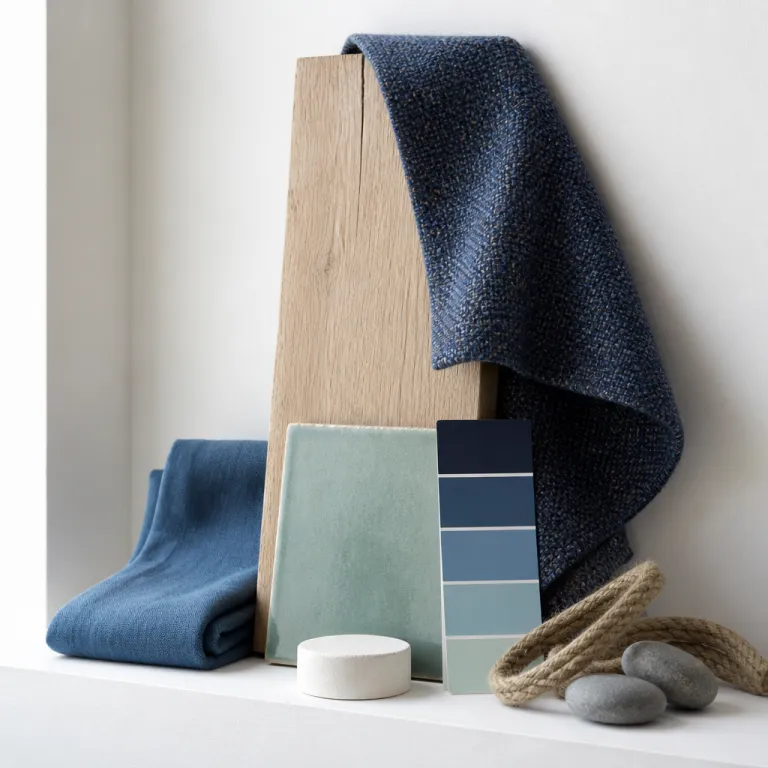
“Barely there blue” is a subtle, almost greyed blue shade that designers are using in bedrooms for its calming, cooling effect. Many of the latest UK hotel interiors for 2026 pair this colour with natural timber and linen to soften heritage architecture without defaulting to white. It works particularly well in family rooms because it feels restful in the evening yet fresh in daylight.
How are new UK hotels integrating local culture into their interiors?
New openings such as The Kithmore and Teffont House commission local artists, ceramicists and furniture makers to create pieces specifically for their guest rooms and public spaces. Stone, timber and textiles are often sourced from nearby suppliers, so the hotel design reflects the landscape and craft traditions of its region. This approach makes each stay feel rooted in a particular city or county rather than a generic global resort, and it mirrors recommendations in recent UK design reports that call for stronger regional identity in British hospitality interiors.
What role does AI play in modern British hotel design?
AI now sits behind many digital concierge systems, from pre arrival questionnaires to in room tablets that remember your preferences. As one expert summary from 2023 puts it, “AI enhances guest experience through personalized services and automation.” For families, that can mean smoother check in, better tailored dining options and fewer calls to reception for basics like extra towels or cots.
Are large design led hotels suitable for families, or should we choose smaller properties?
Both can work, but in different ways. Large city hotels such as The Imperial in Bloomsbury often provide extensive wellness facilities, multiple restaurants and a wide range of room types, which helps when travelling with children of different ages. Smaller townhouses like Arthouse Glasgow or country houses like Teffont House usually offer a more intimate atmosphere and easier supervision, so the best choice depends on whether you prioritise facilities or a quieter, more personal stay.
How can I tell if a new hotel opening will suit my family before booking?
Look for floor plans or clear descriptions of rooms and suites, paying attention to whether guest rooms connect or include sofa beds and bathtubs. Check how the hotel talks about wellness and social spaces, because family friendly properties usually mention children’s menus, flexible dining options and outdoor areas. Finally, read independent guides such as myukstay.com, which focus on real experiences rather than marketing language and highlight how the latest UK hotel interiors for 2026 perform for families in practice.