Kilchoan estate Scotland and the Dunton playbook in the Scottish Highlands
Kilchoan Estate in Scotland is being developed on the Knoydart peninsula as a roughly 5,260-hectare private landholding with serious ambitions around heritage, sustainability and high-end hospitality. The remote setting near Inverie places Kilchoan at the far edge of the Scottish Highlands, where access by ferry from Mallaig naturally filters guests who genuinely want remoteness rather than a quick Instagram fix. For solo travellers used to American-style ranch resorts, this is the first real test of whether a Dunton Destinations project can read Highland culture with the same nuance that The Fife Arms brings to Braemar. According to early planning documents and local press briefings, the estate’s footprint and low-density approach are designed to keep that sense of wilderness intact.
The operator is Dunton Destinations, best known for Dunton Hot Springs in Colorado, where the restored mining town and natural hot springs defined a template for immersive luxury travel in wild landscapes. That Dunton playbook mixes restored cottages, largely inclusive rates and a strong sense of community, and early statements from the team suggest that Kilchoan Estate will echo that structure while adapting to Scottish nature, Gaelic heritage and the realities of the Knoydart Foundation’s presence nearby. As Dunton’s founder has put it in launch materials, “Our role at Kilchoan is to support what already exists on Knoydart and to listen first, then build.” For serious walkers and brown trout fishers, the question is whether this Highland retreat will offer deep engagement with the land and loch or a polished stage set for guests who mainly want the scenery as backdrop; local consultation notes shared with community groups indicate that access to long-established paths and shorelines will remain a priority.
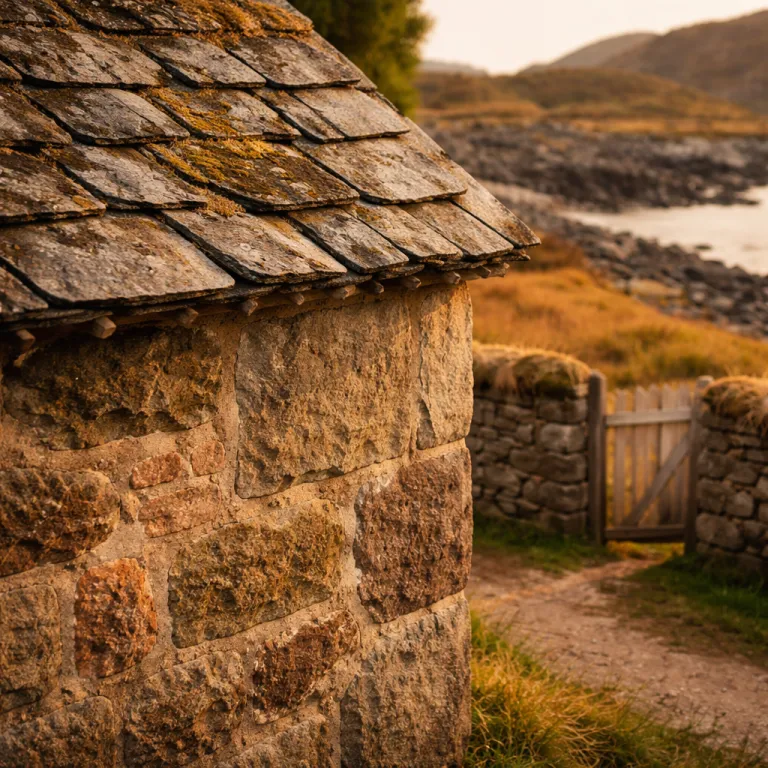
The physical fabric matters here, because the Kilchoan Estate cottages sit within a historic cluster that has evolved around Comghan Chapel and the shoreline of Loch Nevis. Early plans indicate a longhouse-style main building, smaller cottages for families and solo travellers, and shared spaces that may include a yoga studio for sauna-yoga sessions after a day on the hill. For a remote estate in Scotland, the way these works are executed will signal whether Dunton Destinations understands Highland vernacular architecture or simply imports a familiar Colorado aesthetic into a very different land; design statements submitted to Highland Council emphasise stone, timber and lime-based finishes that echo traditional crofting buildings.
Design watchers will note the involvement of Studio Waldo, the interior and architecture practice behind several high-profile projects for a London-based clientele. Waldo Works has form in translating historic shells into contemporary luxury, and their reported brief at Kilchoan is to keep the patina of a working estate while delivering the comfort level that high-paying guests expect. In a concept note shared with prospective partners, the studio highlights “quiet, robust materials” and a palette drawn from Loch Nevis and the surrounding moorland. If they succeed, Kilchoan Estate could sit comfortably alongside the best country houses in the Cotswolds, where our guide to country houses where tradition still earns its stripes shows how sensitive restoration can avoid pastiche.
The heritage-by-American-operator model has strengths and weaknesses, and Kilchoan will expose both. At Dunton Hot Springs, Dunton Destinations proved that an estate offers year-round relevance when programming is tight, staff are empowered and the community narrative feels authentic rather than scripted. In the Scottish Highlands, that means working with local ghillies, crofters and guides so that the land, loch and nature are interpreted by people who live here, not only by imported experts who rotate between properties. As one Knoydart-based guide told us, “If Kilchoan listens to the people who know these hills, it could be a real asset; if not, it will just feel flown in.” A second local voice, a crofter involved in early stakeholder meetings, put it more bluntly: “We’re not a backdrop. If they get that, folk here will meet them halfway.”
There is also the question of how Kilchoan engages with the Knoydart community and the Knoydart Foundation, which has become a reference point for community-owned land and sustainable development on the peninsula. A luxury estate set within or adjacent to such a community must show that its works support local employment, supply chains and conservation rather than extracting value from the landscape. For solo travellers who care about sustainable travel, the way Kilchoan reports on energy use, waste, wildlife corridors and access to paths will matter as much as thread count or wine lists. Early sustainability outlines shared with residents refer to a target of sourcing at least 80% of staff locally, installing ground- or air-source heat pumps backed by on-site solar where feasible, and diverting a minimum of 70% of operational waste from landfill within the first three years.
Walking, fishing and who kilchoan estate Scotland is really for
For many readers of myukstay.com, the key question is simple: who is meant to use Kilchoan Estate in practice. The ferry-only access from Mallaig to Inverie, the lack of road connection and the variable weather in the Highlands mean this is not an easy weekender, especially for guests who treat the Scottish landscape as a backdrop rather than a living place. Solo explorers who actually walk, fish and sit with a map in the longhouse after dinner will find the remoteness a feature, not a bug, and local guides we spoke to stressed that “you need to want to be here, not just tick it off.”
Fishing on Loch Nevis and nearby hill lochs should be a major draw, particularly for brown trout enthusiasts who value lightly pressured waters and a strong catch-and-release ethic. The estate is expected to offer access to extensive land and shoreline, and the way ghillies structure three- or four-hour sessions for individuals will determine whether solo guests feel genuinely well served or nudged into group formats that suit couples and families. If you care about technique and river craft, ask in advance how many rods the Dunton team allows on each stretch and whether tuition is included in the rate; draft activity sheets circulated locally suggest a cap of two to three rods per beat and a focus on low-impact, barbless-hook fishing.
Walking is where Kilchoan can either excel or under-deliver for the solo traveller who books a week to reset. The Knoydart peninsula is known for serious routes, from coastal tracks above Loch Nevis to longer days that link passes between glens, and the estate land should give direct access without long transfers. What matters is whether staff provide detailed route cards, weather-aware advice and flexible packed meals, or whether walks are framed as occasional activities for guests who mainly stay near the cottages and spa; early outline programmes mention graded routes from short shoreline loops to full-day hill outings, with OS maps and GPX files available on request.
Wellness facilities will likely include a compact yoga studio and some form of sauna-yoga or heat-based recovery, which can be a gift after a 15-kilometre hill day in mixed weather. For solo travellers, the programming of these sessions matters: are there small group classes that encourage community without forced mingling, or only private sessions priced for couples. A year-round calendar that shifts from high-summer walking to winter storm watching and indoor works like whisky tastings would help Kilchoan avoid the trap of being a three-month showpiece with a long off-season, and preliminary seasonal plans shared with tour operators point to autumn foraging weekends and winter dark-sky stays as likely additions.
There is also a cultural layer to consider, because Kilchoan sits within a Gaelic-speaking area where community ties run deep and history is not a decorative theme. References to figures such as Rebecca and Waldo in design circles, or to international names like Henkel in sustainability partnerships, must not drown out local voices who understand the land and its stories. The best Highland estates make space for ceilidhs, local musicians and guides who can explain why Comghan Chapel matters, not just how photogenic it looks at golden hour; one community organiser told us they expect “regular open nights where visitors and locals share the same room, not parallel worlds.”
For travellers comparing Kilchoan with more accessible English country houses, it is worth reading our analysis of where tradition still earns its stripes and where it coasts. Those properties show how an estate can either lean into genuine rural life or stage a polished fantasy, and Kilchoan will sit somewhere on that spectrum once the first season settles. If your priority is serious walking and fishing rather than spa time, you may find that the extra travel to Knoydart delivers a quieter, more focused experience than many mainland hotels can offer, especially outside school holidays when paths and lochs feel almost private.
Sustainability claims, pricing for solos and how to book kilchoan estate Scotland
Positioned as a flagship for eco-tourism, Kilchoan Estate arrives in a market where sustainability language is everywhere but hard data is rarer. The restoration of historic cottages using local materials, the use of renewable energy sources and any partnership with environmental groups will all need transparent reporting if the estate wants to stand alongside leaders such as The Fife Arms, which already holds recognised sustainability awards. For solo travellers who care about impact, the way Kilchoan publishes its works on energy, waste and community investment will be as important as the photography on the website; draft sustainability notes mention a goal of sourcing 100% of electricity from renewables, monitoring biodiversity indicators such as bird and pollinator counts, and contributing a fixed percentage of revenue to local conservation projects.
Pricing is the other hard test, because Highland estates can quietly punish single occupancy through flat per-cottage rates. If Kilchoan follows the Dunton Hot Springs model, rates may be largely all-inclusive, which can work for solos when activities, guiding and transfers are genuinely bundled rather than charged as extras. Before you book, ask whether there are dedicated solo packages, whether smaller cottages or longhouse rooms are priced per person, and how many activities per day are realistically available without surcharge; early guidance suggests that sample nightly rates will sit in the upper luxury bracket, with fishing and guided walks included at least once during a short stay.
For the first season, booking strategy should be precise rather than impulsive, especially if you travel alone. Early June often brings long daylight hours, cooler temperatures and fewer midges, which suits walkers and fishers who want to cover distance without heat, while late July and August can feel busier as families arrive and the estate offers more structured programming. If you value quiet trails and flexible guiding, target the shoulder weeks at the start or end of the season and be ready to shift dates if the ferry schedule from Mallaig changes; current Caledonian MacBrayne timetables typically offer several sailings a day in high season but fewer in spring and autumn.
Access logistics are straightforward but require planning: you reach Kilchoan via ferry to Inverie, then transfer by estate vehicle or on foot depending on your preference and luggage. Limited connectivity on the Knoydart peninsula means you should download maps, confirm meeting points and share your itinerary before leaving Mallaig, especially if you intend to explore the land independently. For digital nomads used to premium serviced apartments in cities, our guide to refined serviced apartments in the United Kingdom offers a useful contrast in how urban luxury travel handles connectivity and work–life balance.
Within the wider United Kingdom luxury landscape, Kilchoan Estate sits in the same conversation as new openings such as Fairmont Cheshire The Mere and Monogram Collective at Pine Trees, but its remoteness makes it a different proposition. Our coverage of American ultra-luxury arriving at 94 Piccadilly in London, via Cambridge House, shows how transatlantic operators can either adapt to British context or impose a house style, and Kilchoan will reveal which path Dunton Destinations chooses. For now, solo explorers who value nature, community and serious time on the hill should watch how the first guests report back on walking routes, fishing access and the balance between polished service and genuine Highland character.
Prospective visitors often ask practical questions about the launch phase, and the current answers are clear enough to plan around. “How do I reach Kilchoan Estate?” “What accommodations are available?” “Are activities included in the stay?” For now, the official line is that access is by ferry from Mallaig to Inverie, that restored cottages with modern amenities form the core accommodation and that activities are part of an inclusive package, with bookings handled directly through the estate’s reservations team by email or phone. Those points will shape whether Kilchoan Estate becomes a serious base for walkers and fishers or a short-lived curiosity in the luxury travel news cycle, and early sample packages shared with agents suggest three- and four-night stays that bundle full board, daily guided time outdoors and return transfers from Inverie.