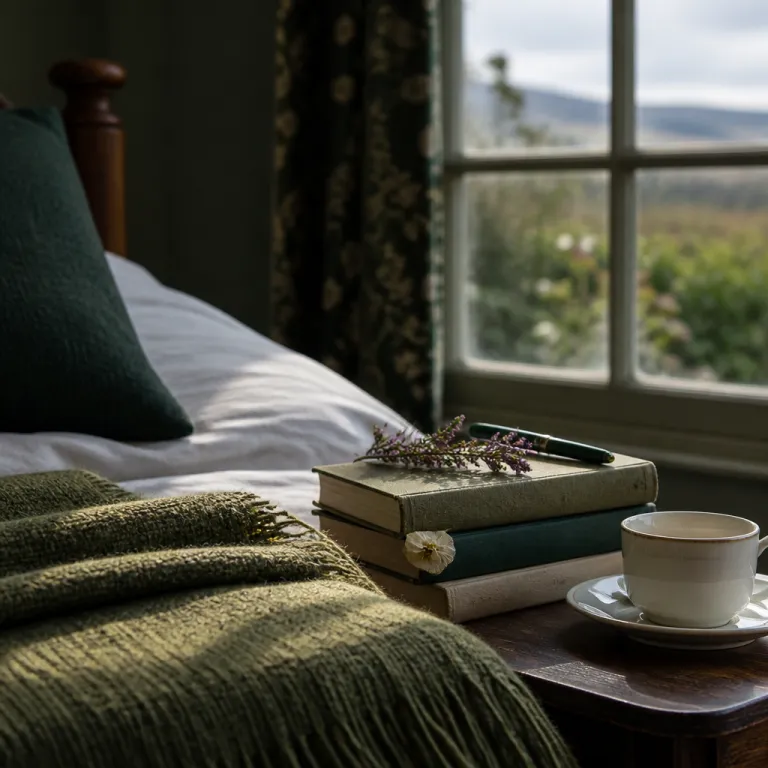
How literary hotels in the UK turn reading into a way of travelling
Literary hotels in the UK work best when the hotel is a genuine historic place first and a literary shrine second. For solo travellers choosing a stay, the most rewarding hotel is usually one where the building’s own years of history quietly frame the books on your bedside table rather than shouting about them in themed corridors. When you plan your next room, think less about wall quotes and more about whether the library feels like somewhere a writer might actually have worked.
Across England and Scotland, the strongest literary hotels list overlaps almost perfectly with the country’s great coaching inns, manor houses and townhouses. Britain’s literary geography is also its hotel geography, which means that a historic hotel near a moor, a harbour or a cathedral close often gives you the same view that once shaped a novel or poem. That is why literary hotels in the UK feel so atmospheric for guests who travel alone, because the landscape outside the window does as much storytelling as the shelves inside the library.
For a luxury booking website, the challenge is to separate hotels that simply book a marketing agency from those that can point to real literary luminaries in their guest books. When you browse any curated hotels list on myukstay.com, look for specific names, dates and references rather than vague talk of writers and artists. The most rewarding literary hotels for visitors are the ones where staff friendly teams can explain which room an author preferred, which bar corner hosted a late night reading and which early century edition in the library deserves your time today.
Walking into Brontë country: moorland rooms and quiet parsonages
West Yorkshire is where literary hotels in the UK become inseparable from the landscape that inspired them. Stay near Haworth and you can move between a historic hotel, the steep cobbled main street and the Brontë Parsonage Museum in a single afternoon, then walk out onto the moor that still feels like the opening chapter of a novel. This is one of the few places where a simple room with a view of heather and stone walls can feel as transporting as any lavish suite in a city plaza.
Ponden Hall, a bed and breakfast near Stanbury, is widely believed to have shaped Emily Brontë’s vision of Wuthering Heights, and it remains one of the most atmospheric literary hotels in the UK for guests who want that raw moorland edge. The house is not a grand hotel with a marble bar or a formal dining room, but its low beams, uneven floors and close proximity to the hills make it a powerful choice for solo visitors who want to read by the fire after a windswept walk. Pair your stay with a visit to Haworth Parsonage, where the rooms preserve the family’s early century domestic world and where the number of visitors has reached 70 000 according to the Haworth Parsonage Museum Annual Report 2025.
From a booking perspective, Brontë country works beautifully for independent travellers who like to move between several hotels over a few days. You might start with a night near york for urban comforts, then head west for two or three nights in a smaller hotel literary property close to the moor, using local buses or a hire car. For more detail on how these heritage stays compare with other premium addresses, myukstay.com’s working reviewers share honest picks in their guide to the best hotels in the UK, which helps you judge whether a particular room or suite offers the right balance of comfort and character for your trip.
Following Austen through Hampshire and Bath: drawing rooms, libraries and measured elegance
Jane Austen’s England is made for travellers who like their literary hotels in the UK to feel composed rather than theatrical. Around Chawton in Hampshire and in the city of Bath, you will find townhouses and country houses where the proportions of each room, the sweep of a staircase and the hush of a library echo the social worlds she described. These are places where a historic hotel can feel like a private home that has simply grown used to welcoming guests over many years.
Chawton House, once owned by Austen’s brother, is not a hotel but a historic estate with a serious library and gardens that reward slow exploration, and staying in a nearby hotel london style townhouse or rural inn lets you balance literary immersion with modern comfort. In Bath, many hotels occupy Georgian terraces where the dining room still looks out over crescents and plazas that Austen’s characters would recognise, and where a solo traveller can slip easily between a quiet reading hour and a refined bar service. For readers who enjoy Agatha Christie or early century crime fiction as much as Austen, the city’s structured streets and ordered façades provide a pleasing counterpoint to the more turbulent landscapes of Brontë country.
When you compare options, focus on how each hotel uses its literary connection rather than how loudly it advertises it. Some properties offer a small curated library hotel style corner with editions of Austen, while others host occasional talks or reading groups that attract both visitors and local literary luminaries. If you care as much about food as fiction, cross reference your shortlist with myukstay.com’s guide to luxury hotels in the UK with Michelin star restaurants, which highlights properties where the dining room experience is as considered as the book selection in the lounge.
Woolf’s Sussex, national landscapes and the rise of the library hotel
Virginia Woolf’s world in Sussex suits travellers who like their literary hotels in the UK to sit close to water, gardens and walking paths. Monk’s House itself is managed as a National Trust property rather than a hotel, yet the surrounding villages and coastal towns offer historic hotels where a room with a garden view can echo the light and shade of her writing. Solo guests often find that a simple suite overlooking orchards or river meadows offers more literary inspiration than any themed décor.
The wider trend toward the library hotel concept has reached several independent properties across England and Wales, where owners curate shelves with as much care as wine lists. Some of the most interesting examples sit near a national park or within easy reach of National Trust houses, allowing visitors to pair a morning walk with an afternoon in a quiet library. For readers who travel alone, these hotels feel naturally sociable without pressure, because a bar stool, a shared table in the dining room or a fireside armchair all offer gentle ways to meet other guests through the books in their hands.
Gladstone Library in north Wales, while not a conventional hotel, offers residential stays in a building where the library itself is the main event, and it has become a reference point for many hotel literary projects across the UK. When you evaluate any property that calls itself a library hotel, ask how many years it has been building its collection, whether staff friendly teams can recommend titles and whether the reading rooms stay open late enough for your habits. For travellers used to the more theatrical literary hotels of New York, such as the Library Hotel, the UK’s approach feels quieter and more rooted in place, but it rewards those who value authenticity over spectacle.
From New York legends to British realities: what to expect from literary hotels today
Many travellers arrive at literary hotels in the UK with expectations shaped by famous American properties such as the Algonquin Hotel or the Brown Hotel. Those New York legends built their reputations on a round table of writers, a lively bar culture and a sense that you might bump into Mark Twain, Scott Fitzgerald or Truman Capote on the way to your room. In Britain, the reality is quieter, more dispersed and more closely tied to the historic fabric of each hotel and its surrounding streets.
While the Algonquin Hotel’s round table has become shorthand for a certain kind of literary glamour, UK hotels tend to emphasise long term connections to specific authors or movements rather than a single plaza side bar scene. You will find properties associated with Agatha Christie on the English Riviera, with Romantic poets near the Lake District and with Scottish writers close to lochs and glens, yet most of these hotels still operate primarily as places for guests to sleep, eat and stay rather than as literary museums. That balance is what makes them work so well for solo visitors, because you can engage with the literary side as much or as little as you wish on any given day.
When you browse a curated hotels list on myukstay.com, pay attention to how each review weighs the literary story against service, comfort and location. A hotel that offers a unique signed first edition in the library but neglects the quality of its suites or the warmth of its staff friendly welcome will not earn a recommendation. The most satisfying literary hotels in the UK are those where the historic building, the surrounding landscape and the quiet presence of books all support the same aim, which is to give you a stay that feels both rooted in the past and fully comfortable today.
Planning your own literary hotel itinerary across the UK
Designing a personal route through literary hotels in the UK works especially well for solo travellers who like to balance city energy with rural calm. One classic circuit links york, Haworth, the Lake District and Bath, giving you a mix of cathedral close hotels, moorland guest houses and Georgian townhouses, each with its own library or reading corner. Another option is to combine a few days near a national park with time in a coastal town associated with Agatha Christie or other crime writers, using trains and short taxi rides between each hotel.
When you book, think in terms of two or three night stays rather than single overnights, because it takes time to settle into a library, test the bar, explore the dining room and walk the surrounding streets. Check opening hours for nearby museums and National Trust properties, especially if you plan to visit places like Haworth Parsonage or Chawton House, and remember that “Do I need to book tours in advance ?” is answered simply by the advice that “It's recommended, especially during peak seasons.” For families, many of these destinations work well because “Are these sites suitable for children ?” is met with the reassurance that “Yes, many offer family-friendly activities.”
Use myukstay.com as a planning tool, starting with the honest reviewers’ guide to the best hotels in the UK and then layering on your own literary priorities. Decide whether you want a room with a city view, a suite large enough for a family or a smaller space where the main luxury is a quiet desk and a well stocked library. Above all, remember that the most rewarding literary hotels in the UK are not theme parks but living places, where guests, staff and books share the same historic air and where your own stay becomes one more story in a building that will welcome visitors for many years to come.
FAQ
What is meant by literary hotels in the UK ?
Literary hotels in the UK are properties with genuine connections to authors, books or literary movements, whether through past guests, nearby settings or curated libraries. They remain full service hotels first, offering comfortable rooms, suites, dining rooms and bars, while using their literary heritage to add depth rather than gimmicks. The best examples sit close to historic sites, museums or landscapes that appear directly in well known works.
Are literary hotels suitable for solo travellers ?
These hotels work particularly well for solo guests because they offer built in companionship through books, shared libraries and informal conversations in the bar or lounge. A solo traveller can spend time reading in a quiet room, join a talk or tour, then retreat again without feeling conspicuous. Many properties also have staff friendly teams who are used to suggesting walks, reading material and local cultural events for independent visitors.
How far in advance should I book a literary themed stay ?
Booking several months ahead is wise for peak seasons, especially in areas like Brontë country, Bath or the Lake District where demand is high. Properties near major museums or National Trust houses can fill quickly during school holidays and festival periods. For more flexibility, consider travelling in shoulder seasons when rooms are easier to secure and public spaces like the library or dining room feel calmer.
Can I combine several literary destinations in one UK trip ?
It is entirely feasible to design an itinerary that links multiple literary regions in a single journey. Many travellers pair york and Haworth with the Lake District, or combine Hampshire and Bath with a few days in London for wider cultural experiences. Rail connections are generally strong, and a mix of trains plus short taxi rides or local buses will bring most literary hotels within easy reach.
Are these literary sites and hotels suitable for families ?
Most literary destinations in the UK welcome families, and many hotels offer family rooms or interconnecting suites. Museums such as the Brontë Parsonage and properties managed by the National Trust often run activities designed for younger visitors, making the history more engaging. When booking, ask the hotel about child friendly facilities, nearby walks and any special events that might suit your family’s interests.