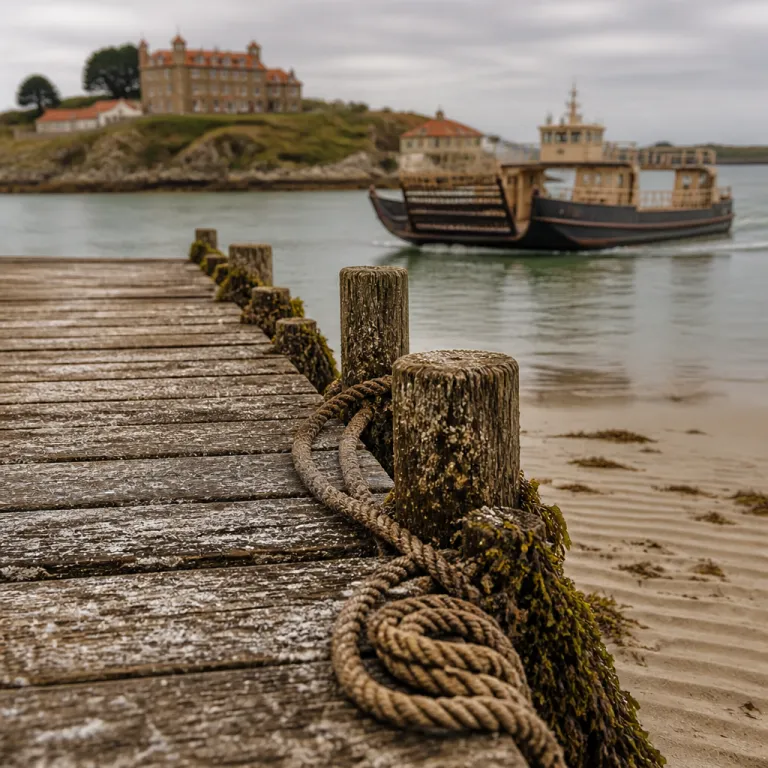
Why island hotels in the UK slow time down
Island hotels in the UK work to a different rhythm entirely. The journey across the sea creates a natural pause, and that pause is exactly why seasoned travellers search for island stays when they crave a reset. Once you step off the ferry or small plane, the first things you notice are the silence, the salt in the air and the sea views that frame every hall and terrace.
On these shores, a hotel is never just a hotel; it is a house of stories, a country house turned coastal refuge, or a former hall hotel reimagined for modern luxury without losing its sense of place. Many of the best island retreats rely on small teams and local supply chains, so the chef knows which fishing boat landed your turbot and the night manager probably grew up on the isle. Weather is not an inconvenience here but a feature, and the staff will hand you tide tables with your room key and suggest the best rooms and suites for watching incoming Atlantic squalls.
Across England, Scotland and the Channel Islands, this slower pace is consistent, whether you are checking into a family friendly house hotel on the Isle of Wight or a discreet spa hotel on a Hebridean isle. The acoustic difference is striking; instead of motorway hum, you hear oystercatchers, distant engines from the last ferry, and wind in the marram grass outside your room. For solo travellers, that quiet makes a powerful companion, turning a short break into something that feels like a private retreat in a very personal island house.
Isles of Scilly and the art of arriving slowly
The Isles of Scilly sit off the west coast of Cornwall, yet feel far removed from mainland England. Reaching these islands is part of the pleasure, whether you choose the roughly 20 minute Skybus flight or the Scillonian III ferry crossing from Penzance that many regulars treat as a cherished ritual. That journey, which typically takes just under three hours and often costs a little less than the plane, sets the tone for island accommodation in this archipelago, where car free lanes, subtropical gardens and sea views define the stay.
On Bryher, Hell Bay Hotel is an award winning hideaway that shows how a small island hotel can deliver serious luxury without formality. The rooms and suites are scattered like a relaxed country house by the sea, with private terraces that frame wild Atlantic views and a hotel restaurant that leans hard into local shellfish and day boat fish. When the weather turns, the lounge becomes a de facto hall, with guests trading notes on walking routes and staff quietly adjusting dining times around the latest Isles of Scilly Travel updates and ferry schedule.
Across the water on Tresco and the neighbouring islands, you find a softer landscape and a different style of house hotel, where palm trees and succulents hint at the Gulf Stream. Many solo travellers base themselves here for a few nights before continuing to other island hotels, using the Scillies as a gentle introduction to the slower pace of island life. If you are planning a wider circuit of coastal retreats, it is worth consulting a refined guide to elegant hotels in Islay and other Scottish islands, which helps you compare the Scillies’ mellow charm with the wilder drama of the Hebrides.
Skye, Mull and the Hebrides: ferries, bridges and wild luxury
Head north to Scotland and the character of island escapes shifts from subtropical softness to elemental drama. The Isle of Skye, once accessible only by ferry, now has a bridge, and many regulars still argue that the island lost a little magic when the crossing became so easy. That debate matters because the journey shapes your mindset, and the best island hotels on Skye lean into that sense of arrival with rooms that frame the Cuillin peaks and sea lochs like living artworks.
Kinloch Lodge, the former ancestral home of the MacDonald clan, feels like a lived in country house more than a conventional hotel, with low ceilinged rooms, peat fires and a dining room that treats local produce with quiet confidence. Over on the west coast of the island, The Three Chimneys operates as a serious restaurant with rooms, where dinner is the main event and breakfast comes with long, lingering views over Loch Dunvegan. For solo travellers, both properties offer that rare combination of privacy and warmth, where staff will share detailed information on walks, boat trips and the best spots for sea views without ever hovering.
Take a Caledonian MacBrayne (CalMac) ferry from Oban to the Isle of Mull and the mood changes again, with the crossing itself acting as a decompression chamber. The Oban–Craignure route usually takes around 50 minutes and, according to recent published fares, can cost less than many intercity train journeys while still feeling like a mini cruise. Tiroran House sits in a remote sea loch setting, a true house hotel where the owners treat guests like extended family and the surrounding hills feel almost theatrically empty. If you are planning a broader sweep of coastal stays, curated lists of coastal hotels worth booking before the summer crowds arrive provide a useful benchmark for rates, room types and the level of service you can expect across different island properties.
Channel Islands chic: Jersey’s Atlantic edge
Not all island hotels in the UK are rugged and remote; some offer a polished, almost Riviera like elegance. Jersey sits closer to France than to mainland England, yet a 45 minute flight from London typically delivers you to a coastline of cliffs, coves and long sandy bays. The Atlantic Hotel, perched above St Ouen’s Bay, is the island’s modern classic, a place where sea views, manicured lawns and a serious hotel spa come together with quiet confidence.
The Atlantic feels like a low slung country house reimagined for the ocean, with a restrained hint of art deco in its clean lines and a focus on light filled rooms and suites. Many guests come for the Michelin starred Ocean restaurant, which functions as a destination hotel restaurant in its own right, pairing precise dining with a relaxed, almost barefoot atmosphere. For solo travellers, the balance works beautifully, because you can spend the day walking the coastal path, then return to a room that feels like a private retreat rather than a grand hall hotel.
Elsewhere on Jersey and the neighbouring Channel Islands, you will find spa hotels that lean more heavily into wellness, with hydrotherapy pools, thermal suites and treatment rooms that look straight out to sea. These properties often run thoughtful special offers outside peak season, making a long weekend surprisingly accessible if you time your flights well. When comparing them with more remote island hotels in Scotland or Devon, remember that the Channel Islands offer easier access, milder weather and a subtly continental atmosphere that feels distinct from the rest of England.
Isle of Wight and the English seaside, refined
The Isle of Wight sits close enough to the south coast of England for a spontaneous weekend, yet far enough to feel like a proper escape. Ferries from Portsmouth, Southampton and Lymington, operated by companies such as Wightlink and Red Funnel, turn the Solent into a gentle moat, and that short sea crossing is often where the mental shift from weekday to holiday really begins. For many travellers researching island hotels in the UK, the Isle of Wight offers the most accessible first step into island life.
In Ventnor, The Royal Hotel channels the spirit of a Victorian hall hotel, with high ceilinged public rooms, deep sofas and a terrace that drinks in sea views over the English Channel. Nearby, Hillside in Ventnor feels more like a relaxed house hotel, with Scandinavian inflected interiors, a garden that tumbles towards the sea and a quietly confident approach to dining that foregrounds local produce. Both properties work well for solo travellers, with staff who are quick to share practical information on coastal walks, hidden coves and the best spots for a sunset drink.
Across the island, you will find a mix of family friendly stays, dog friendly guest houses and more traditional hotels that still trade on their grand seaside past. When choosing between them, pay attention to room categories, because some rooms and suites command a significant premium for uninterrupted sea views. If you are curious about how these properties compare with storied mainland estates, a refined guide to a Scottish listed landmark hotel offers useful context on service standards, heritage details and what “luxury” really means in different corners of the United Kingdom.
How to book UK island hotels like an insider
Planning a trip to coastal island hotels requires a slightly different mindset from booking a city break. You are not just reserving a room; you are choreographing a sequence of ferries, flights and transfers that must align with check in times and, sometimes, the tides. That is why experienced travellers treat the ferry timetable as seriously as the hotel spa menu.
For summer stays, always book your ferry or small plane first, because capacity is finite and crossings can sell out weeks ahead, especially on routes to the Isles of Scilly, Mull and other popular isles. On busy routes such as Portsmouth to Fishbourne or Oban to Craignure, it is common to reserve car spaces one to three months in advance for peak weekends. Crossing times vary widely, from around 10 minutes on some short Solent routes to several hours for more remote islands, so build in generous buffers between connections and allow for weather delays.
Once your transport is locked, focus on the details that shape your stay, from whether you want a hall like lobby or a more intimate house style entrance, to whether the property is genuinely family friendly or simply allows children. Look closely at room descriptions, because the difference between standard rooms and premium rooms and suites often comes down to the angle and breadth of sea views. If you are travelling with a dog, confirm dog friendly policies in writing, and if you are tempted by special offers, check whether they apply to the exact room type and dates you need rather than assuming blanket availability across the hotel.
The sensory difference: sound, weather and the feel of isolation
What sets island hotels in the UK apart is not only the journey, but the sensory shift once you arrive. On a small island, the absence of constant traffic noise changes how a hotel feels, from the echo in the main hall to the way your room seems to breathe with the tide. The acoustic difference is subtle yet profound, and many guests only realise it when they return to the mainland and feel overwhelmed by background noise.
Weather plays a starring role in this sensory palette, especially on the west coast of Scotland where properties like the Isle of Eriska Hotel and other spa hotels turn storms into theatre. At a place such as the Eriska Hotel, you might move from a windswept walk to a heated pool in the hotel spa, then on to a dining room where rain lashes the windows while you linger over local seafood. The building itself, part country house and part island retreat, often carries hints of art deco detailing, with long corridors, generous rooms and suites, and a sense that the sea is never far away.
Even in more temperate corners like Devon or the Solent, the interplay of sea, sky and architecture defines the experience, whether you are staying in a converted sea fort, a relaxed house hotel or a grand hall hotel with a formal restaurant. Isolation comes at a premium, and rates at the most sought after island hotels reflect the cost of staffing, supply chains and maintaining high standards in remote locations. For many travellers, that premium feels justified the moment they wake to uninterrupted sea views, step into a quiet hall and realise that the only pressing decision is whether to walk, read or simply watch the tide turn around the island.
Key figures on UK island hotels and ferry travel
- There are dozens of UK islands with hotels offering guest accommodation, according to national tourism bodies, which means a significant proportion of the country’s coastline can be experienced through island stays rather than mainland resorts.
- Typical ferry crossing times to UK islands with hotels range from around 10 minutes on short Solent routes to several hours for more remote destinations such as the Isles of Scilly or parts of the Hebrides, so journey length varies considerably.
- Ferry schedules vary by season, with more frequent crossings in summer and reduced services in winter, so travellers planning island hotel trips should always check current timetables rather than relying on past experience.
- Most island hotels operate year round, but some scale back services or close certain facilities outside peak months, which can affect access to spa areas, hotel restaurants and some rooms and suites.
- Staycation trends and increased interest in unique accommodations have driven steady growth in demand for island hotels, leading to earlier sell outs for key dates and a noticeable rise in advance bookings for ferry crossings.
FAQ about UK island hotels and ferry crossings
Do I need to book ferry tickets in advance for UK island hotels?
Yes, you should always book ferry tickets in advance when planning a stay at island hotels in the UK, especially during school holidays and peak summer weekends. Capacity on many routes is limited, and crossings to popular isles such as the Isle of Wight, Mull or the Isles of Scilly can sell out. Advance booking also allows you to coordinate arrival times with hotel check in and avoid long waits at the port.
Are UK island hotels open throughout the year?
Most island hotels in the United Kingdom operate year round, but some adjust their offering outside the main season. You may find reduced dining options, shorter spa opening hours or a smaller selection of rooms and suites available in winter. Always check the specific hotel’s operating calendar and any seasonal special offers before finalising your travel dates.
Can I take my car on ferries to UK islands?
Car transport availability varies by route, so you need to check the policy of each ferry operator serving your chosen island. Some crossings, such as those to the Isle of Wight or Mull, routinely carry vehicles, while others are passenger only services where you must rely on walking, local buses or taxis. If you plan to bring a car, book early because vehicle spaces can be more limited than foot passenger capacity.
How much more expensive are island hotels compared with mainland stays?
Island hotels often command higher rates than comparable mainland properties because of their remote locations, smaller scale and higher operating costs. You are paying for limited capacity, exceptional sea views and the sense of isolation that comes from being surrounded by water. Many travellers find the premium worthwhile, especially when they factor in the quieter atmosphere, personalised service and the ferry crossing itself as part of the overall experience.
What should I pack for a stay at a UK island hotel?
Packing for island breaks in the UK means preparing for changeable weather and slightly more complex logistics. Bring layered clothing, waterproof outerwear, comfortable walking shoes and any essentials you would struggle to replace if ferries are delayed. Keep valuables and one change of clothes in a small carry on bag in case your main luggage is loaded separately on the ferry or arrives later than you do.