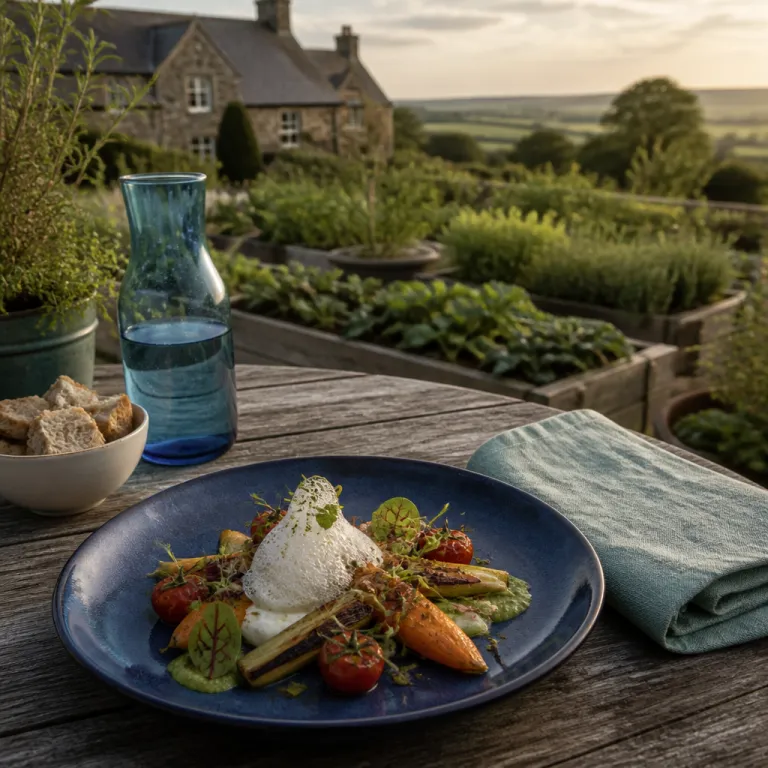
Why kitchen gardens beat carbon offsets for serious luxury stays
For travellers comparing farm to table hotels in the UK, the most persuasive sustainability story now starts in the soil. A growing number of countryside properties across the United Kingdom are treating the farm, the house and the surrounding estate as one integrated organism, where the restaurant menu is written by what the gardeners pull from the grain store each morning. This is where the language of carbon neutral labels fades, and the reality of a working farm, a live kitchen and a guest stay finally align.
Industry data suggests that only around 15 percent of UK hotels operate meaningful kitchen gardens, yet those that do often cut food miles by roughly 30 percent by using produce grown on site. That reduction matters less as a statistic and more as a sensory shift when guests walk through the gardens before dinner, smell the open fire in a farmhouse converted grain store bar and then taste the same herbs in their food and drink pairings. When you book a stay at one of these rural retreat hotels, you are not just choosing the best rooms or the largest bedrooms, you are choosing to eat what the land can genuinely support that week.
Hotels like THE PIG Hotels, Gravetye Manor and Belmond Le Manoir aux Quat'Saisons have built their reputations on this kitchen garden logic, proving that the best hotels for serious diners are often the ones with mud on their boots. Their chefs work hand in glove with gardeners, deciding which farm table vegetables to prioritise, which fruit trees to expand and how to use every part of the harvest across breakfast, lunch and the main restaurant service. For business leisure guests used to polished but generic hotel food, a single night in such a farmhouse style property can quietly reset expectations of what a countryside stay should taste like.
Where the land feeds the plate: standout kitchen-to-table estates
Some of the most compelling farm to table hotels in the UK are not grand palaces but carefully restored farmhouses and grain stores, where the line between farm stay and luxury hotel has been deliberately blurred. At Heckfield Place in Hampshire, the biodynamic farm, the walled gardens and the surrounding estate supply the kitchens with vegetables, fruit, eggs and dairy that shape every menu decision. The result is a rural retreat where guests can walk from their bedrooms to the fields in minutes, then return to rooms that feel quietly residential rather than overtly formal.
Gravetye Manor in West Sussex offers a different expression of the same idea, with its historic Victorian gardens feeding a Michelin level restaurant that still feels rooted in the soil. Here, the house itself is wrapped in productive borders, and guests can see the day’s salads, herbs and edible flowers growing just beyond the terrace before they book dinner. For travellers comparing the best hotels in Sussex, that direct connection between gardens, kitchen and plate often proves more persuasive than any spa brochure or wine list alone.
Further west, Belmond Le Manoir aux Quat'Saisons in Oxfordshire operates on a grander scale, with extensive gardens, orchards and a serious culinary school that turns the farm table concept into an education. Business travellers extending a trip can book a stay that includes a garden tour, a cooking class and a long lunch, turning a standard hotel night into a deep dive into seasonal food and drink. For those planning a wider countryside itinerary, our county by county guide to where to stay in the UK offers a useful framework for linking these kitchen garden estates into one coherent journey.
From working farm to polished plate: immersive rural retreats
Beyond the classic country house model, a new wave of working farm stays is redefining what farm to table hotels in the UK can look like. Properties such as Fowlescombe Farm in Devon, Coombeshead Farm on the Devon and Cornwall border and Glebe House in east Devon operate as genuine farms first, with accommodation and restaurants built around the rhythms of livestock, grain and gardens. Guests sleep in farmhouse bedrooms or in simple but comfortable rooms carved from a former grain store, then eat in a restaurant where the menu reads like a field report.
At Coombeshead Farm, the kitchen leans into whole animal butchery, house baked bread from heritage grain and vegetables pulled from the farm gardens that morning, creating a farm stay experience that feels both rigorous and deeply relaxed. Glebe House offers a softer, more nostalgic take, with an open fire in the sitting room, a small farm shop selling cured meats and pickles, and bedrooms that feel like a well loved family house rather than a conventional hotel. For guests used to corporate suites, the chance to walk through muddy fields before breakfast, then sit down to eggs from the same farm, can be a powerful reset.
In Scotland, estates with serious sporting pedigrees are starting to weave similar thinking into their operations, with dining rooms that now highlight venison, game birds and vegetables from on site gardens rather than anonymous supply chains. Our guide to summer in the Highlands, when the sporting estates open their gates, explores how these properties are balancing traditional field sports with a more transparent approach to food and drink sourcing. For the business leisure traveller, these rural retreat hotels offer a rare combination of credible sustainability, strong hospitality and a sense of narrative that runs from the farmyard to the plate.
Seasonality, menus and what guests actually taste
Seasonality is where farm to table hotels in the UK either prove their point or quietly betray it. In June, guests walking through the gardens at THE PIG Hotels or Gravetye Manor will see soft herbs, salad leaves, early berries and edible flowers, then recognise them immediately on the restaurant menu that evening. By October, the same gardens are dominated by roots, brassicas and late fruit, and the kitchen responds with slower cooking, more time over the open fire and a shift towards deeper, more autumnal flavours.
For the guest, this means that the same hotel can feel like a different restaurant every few months, with the farm, the house and the estate dictating the rhythm rather than a fixed signature dish. A business executive returning to the same rural retreat several times a year might find light, herb driven food and drink in early summer, then richer braises and roasted vegetables when the days shorten. This seasonal reality also explains why some of the best hotels for serious diners limit their à la carte options, preferring short menus that can flex with whatever the gardens and grain store can genuinely provide.
Properties such as Fowlescombe Farm, Coombeshead Farm and Glebe House lean into this even more strongly, often writing the menu only once the day’s harvest is in, or when a particular animal from the working farm is ready. Guests who book a stay at these addresses are not choosing from long lists of dishes but trusting the kitchen to interpret the farm table honestly, which is precisely why repeat visitors are so loyal. For travellers planning a wider circuit of countryside hotels, our summer Highlands feature and our Cotswold guide to elegant stays in Stow on the Wold both highlight properties where the menu changes with the hedgerows, not with marketing campaigns.
Scaling the model: from bell tents to executive suites
The question many executives ask is whether the farm to table hotels in the UK model can scale beyond small country houses and farmhouse conversions. The answer is nuanced, because the intimacy of a farmhouse dining room or a handful of bell tents on a working farm is hard to replicate in a 150 room hotel. Yet groups such as THE PIG Hotels show that a collection of properties, each with its own gardens, farm shop and kitchen, can deliver a consistent standard of seasonal food without feeling industrial.
Some estates are experimenting with mixed accommodation, combining traditional bedrooms in the main house with bell tents or cabins in the grounds, allowing more guests to book a stay without overloading the gardens. A farmhouse converted grain store might hold extra rooms or a casual restaurant, while the core kitchen garden still serves a smaller, more focused dining room for hotel guests. This layered approach lets properties welcome families, business travellers and couples while keeping the farm table operation honest and manageable.
For the business leisure traveller, the key is to look beyond marketing language and ask specific questions before committing to any of the best hotels on your shortlist. Which ingredients are genuinely grown on site, and which come from neighbouring farms in Sussex, Somerset or Cornwall ? How closely do the chefs work with the gardeners, and can guests tour the gardens or the working farm during their stay ? Our county by county reader’s guide on myukstay.com is designed to help you compare estates, farm stays and hotels across the United Kingdom with these questions in mind, so that when you finally book, you know the land will be as much a host as the front of house team.
FAQ
Which UK hotels have serious kitchen gardens for guests to explore ?
Hotels like THE PIG, Gravetye Manor, and Belmond Le Manoir aux Quat'Saisons have kitchen gardens. These properties invite guests to walk the gardens, talk to gardeners and then taste the same produce in the restaurant. For travellers prioritising farm to table hotels in the UK, they remain reliable starting points.
What exactly is meant by farm to table dining in a countryside hotel ?
What is farm-to-table dining ? Dining where ingredients are sourced directly from local farms or on-site gardens. In practice, this means the hotel’s own farm, gardens or nearby producers supply most vegetables, herbs, eggs and often meat, which the kitchen then turns into menus that change with the seasons. Guests can usually see where much of their dinner was grown, which strengthens both trust and flavour.
Why are kitchen gardens becoming so popular in luxury hotels ?
Why are kitchen gardens popular in hotels ? They provide fresh produce, promote sustainability, and enhance guest experience. For luxury and premium properties, they also offer a tangible sustainability story that goes beyond certifications, giving guests something to walk through, smell and taste. This aligns with growing expectations that environmental responsibility should be built into the estate, not added as a marketing bolt on.
How far in advance should I book a stay at a farm focused countryside hotel ?
Guests interested in farm to table hotels in the UK should book in advance, especially if they want specific dates during peak growing seasons. It is wise to inquire about garden tours, farm visits or special menus when you book, as these experiences often have limited capacity. Checking seasonal menus ahead of time also helps align your stay with the kind of produce and dishes you most want to experience.
Do these kitchen garden hotels work for business travellers extending a work trip ?
Many countryside properties with serious kitchen gardens are ideal for business leisure travellers who want a short, restorative rural retreat after meetings. They offer high quality bedrooms, reliable Wi Fi and polished service, but pair that with grounded food, quiet gardens and a sense of place that city hotels rarely match. A single night at such a hotel can reset expectations of what a work related stay in the United Kingdom can feel like, especially when the farm, the house and the restaurant are all pulling in the same direction.