
Why the Ulster region is a compelling place to book a hotel
Green hills dropping into steel-grey sea, compact cities framed by red-brick terraces, and lakes that look almost theatrical at dusk. The Ulster region offers a striking backdrop for a hotel stay, whether you are planning a quiet lodge retreat or a star hotel in the heart of a lively city. For many guests booking here, the appeal lies in contrast: you can wake up with a lake view and, a short drive later, be walking along Donegall Place under the Victorian façades.
For a first stay, it helps to think in three broad zones. There is the urban core, with hotels located in central Belfast and Derry/Londonderry, ideal for travellers who want galleries, restaurants, and theatres within a minute walk or two. There is the lakes and countryside belt, including areas around Enniskillen and the Fermanagh lakelands, where lodges and inns lean into quiet views and generous breakfast rituals. Finally, there is the coastal fringe, from the Antrim Coast Road to the beaches near Portstewart, where cliff paths and sea air define the experience.
Choosing a hotel in Ulster is less about chasing the highest guest rating and more about matching your stay to your rhythm. Night owls and culture seekers tend to favour central addresses, where a late dinner on Hill Street or around the Cathedral Quarter is an easy stroll from the lobby. Guests who picture early mornings, mist over water, and perhaps a round of golf will be better served by hotels located just outside town, often with free parking and more spacious rooms.
In practical terms, the region is compact. From Belfast’s international airport to many of the most popular hotels, the drive is often under an hour, which makes it realistic to combine a city stay with a night or two in a rural inn hotel or lakeside lodge. That flexibility is one of Ulster’s quiet luxuries.
Understanding Ulster’s main hotel areas and atmospheres
City-centre streets like Belfast’s Victoria Street or around the City Hall concentrate a dense cluster of hotels, from discreet business-style properties to more characterful inns. Staying here suits guests booking short trips who want to walk almost everywhere: major sights, restaurants, and cultural venues sit within a compact grid. Expect efficient check-in, structured layouts, and rooms optimised for a quick, comfortable stay rather than sprawling space.
Shift west towards the Fermanagh lakelands and the mood changes. Hotels in this part of Ulster often feel closer to a country lodge, with long drives, lawns rolling down to the water, and breakfast rooms that double as viewing galleries over the lough. Guests booking these properties are usually in no rush. They come for slow mornings, spa appointments, or boat trips, not for a packed schedule of city attractions.
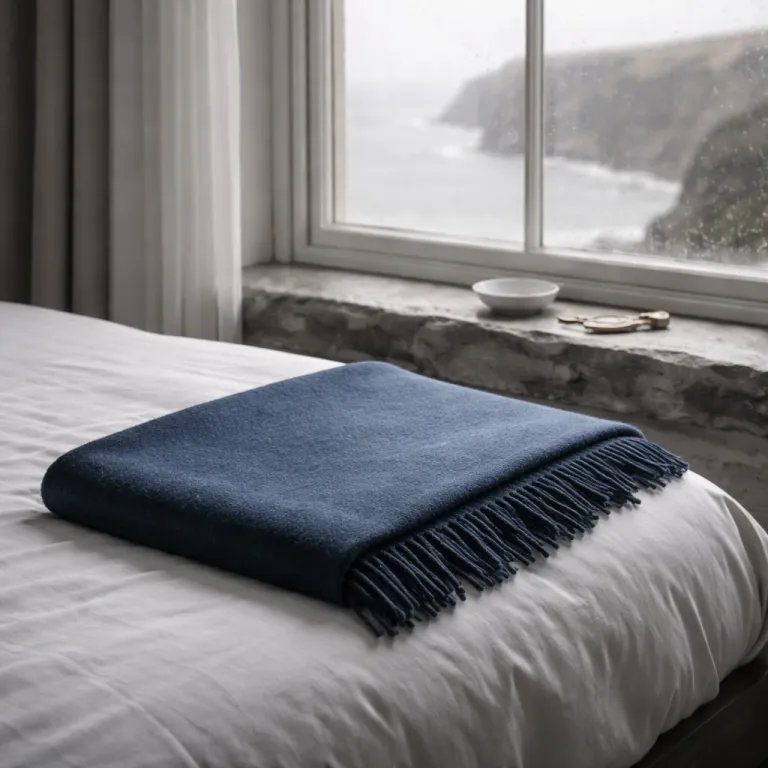
Along the Antrim Coast, particularly near the curve of road between Larne and Glenarm, hotels and inns lean into the drama of the landscape. Here, a good room is not just about square metres but about the angle of the window and the way the light hits the sea in late afternoon. A sea view can transform an otherwise simple stay into something quietly memorable, especially when combined with a hearty breakfast and a coastal walk starting almost at the car park.
Derry/Londonderry offers a different proposition again. Hotels located near the city walls or along the River Foyle balance history and convenience, with many guests booking specifically to explore the walled city on foot. Compared with Belfast, the scale is smaller, but that intimacy can be an advantage if you prefer to avoid large crowds while still enjoying restaurants, pubs, and galleries within a short stroll.
How to choose the right hotel type for your Ulster stay
Room keys in Ulster open very different worlds. A large, multi-storey city hotel with several hundred rooms will feel markedly different from a 50-room inn on the coast or a compact lodge near a lake. The first tends to prioritise facilities and efficiency: multiple lifts, structured parking, express suites for business guests, and a lobby that can absorb the ebb and flow of conferences and events. The second leans towards intimacy, where staff recognise returning guests and breakfast feels more like a small gathering than a buffet line.
For travellers who value predictability, a modern star hotel in the city centre is usually the safest choice. You know what to expect: consistent room layouts, clear guest rating patterns, and a full set of services from early breakfast to late-night room service. These properties suit short stays, early flights from the international airport, and trips where you will spend more time out exploring than lingering in the lounge.
If your priority is atmosphere rather than scale, consider smaller inns or lodges in Ulster county and beyond. Many are located in villages or on rural roads where the nearest pub or restaurant is a minute walk or a short drive away. Rooms may be individually shaped by older architecture, which can mean character but also the occasional quirk, such as steps within the room or slightly smaller windows. Guests booking these stays often value charm and quiet over uniformity.
There is also a middle ground: hotels located just outside major towns, with free parking, generous rooms, and easy road access. These work well for road trips, golf weekends, or family stays where you want space and convenience without sacrificing access to restaurants and cultural sites. When comparing options, check not only the overall rating but also how recent reviews describe noise levels, parking ease, and the feel of common areas.
Location, access, and getting around the Ulster region
Distances in Ulster look modest on a map, but the character of the roads matters. Motorways and main A-roads link Belfast to Derry/Londonderry and to the Fermanagh area efficiently, yet coastal and lakeside routes can be slower, winding, and irresistibly scenic. When booking hotels, it is worth checking not just the town name but the exact location, especially if you plan day trips or evening outings without driving far.
Hotels located within Belfast’s central grid, around Donegall Square and Wellington Place, allow you to move almost entirely on foot. From many of these addresses, the Cathedral Quarter is a 10 to 15 minute walk, as is the Lagan riverside. For guests who prefer taxis, city-centre ranks are easy to find, and journeys to the main international airport typically take under 40 minutes in normal traffic.
In more rural parts of Ulster, free parking becomes almost essential. Many lodges and inns provide on-site spaces as standard, but the layout can vary: some have large open car parks, others a more compact courtyard arrangement. If you are planning late arrivals or early departures, it is worth checking how clearly the parking is signposted and whether there is step-free access from car to reception, particularly if you are travelling with children or heavy luggage.
Public transport can support a stay focused on one city, yet it is less practical for a multi-stop itinerary that includes lakes and coastal villages. In that case, a rental car offers the most flexibility, allowing you to combine a night in a city hotel with a stay in a countryside inn hotel without worrying about timetables. When comparing hotels, consider not only distance in kilometres but also the type of road and whether you are comfortable driving at night on narrower rural routes.
Rooms, views, and what to check before you book
Room categories in Ulster hotels can be deceptively varied. A standard double in a city property may feel compact but efficient, with a clear layout designed for short stays. In contrast, a similarly named room in a lakeside lodge might offer more floor space, a seating area, and a wider window framing the water or garden. Before you select dates and confirm, it pays to look closely at room descriptions and any floor plans provided.
Views are a major differentiator. In Belfast, upper-floor rooms facing towards the city centre can capture a surprisingly broad skyline, with the cranes of the shipyard visible on clear days. Along the Antrim Coast, a room with a direct sea view can feel like an entirely different category of stay compared with one facing the car park or a courtyard. When you view prices, note whether the hotel clearly labels lake view, river view, or city view rooms, and how much of a premium is attached.
Noise is another factor that does not always appear in headline ratings. Hotels located on or near busy streets, such as Great Victoria Street or around the bus and rail hubs, may experience more late-night activity. If you are sensitive to sound, consider rooms on higher floors or facing inner courtyards, even if that means sacrificing a more dramatic view. In rural inns, the issue is less traffic and more occasional sounds from nearby pubs or early-morning deliveries.
Finally, pay attention to bed configuration and access. Some older properties in Ulster have charming but narrow corridors or internal steps, which can be awkward with prams or mobility issues. If you are travelling as a family or in a group, check whether connecting rooms exist and how they are arranged. A little scrutiny before booking hotels in the region can prevent small inconveniences from overshadowing an otherwise good stay.
Breakfast, dining, and the rhythm of a hotel day in Ulster
Mornings in Ulster hotels often revolve around breakfast. In city properties, service tends to be brisk and structured, with clear peak times when business guests and early explorers converge. Expect a mix of continental options and cooked dishes, with some hotels offering made-to-order plates alongside a buffet. If you prefer a quieter start, arriving either early or towards the end of service can make a noticeable difference to the atmosphere.
In lakeside lodges and rural inns, breakfast can feel almost ceremonial. Large windows frame water or garden views, and service may be more leisurely, with staff circulating pots of tea and coffee rather than relying solely on self-service stations. Guests booking these stays often plan their day around a substantial morning meal, then a late lunch or early dinner after walks, drives, or boat trips.
Evening dining options vary sharply by location. Hotels located in central Belfast or Derry/Londonderry sit within easy reach of independent restaurants, pubs, and cafés, so many guests choose to eat out. In more remote parts of Ulster county, the hotel restaurant or bar may be the most practical option, especially in poor weather or after dark. When comparing properties, check whether the on-site dining is open every night and whether reservations are recommended.
Room service, where available, can be a quiet luxury after a long day of travel or sightseeing. Not every inn hotel or smaller lodge offers it, so if you value the option of a private dinner in your room, focus on larger star hotel properties or those that explicitly mention in-room dining. Reading a few recent reviews can help you understand not just the menu but the pacing and reliability of service.
Guest ratings, reviews, and how to read them intelligently
Numbers alone rarely tell the full story of a hotel stay in Ulster. A guest rating of eight or nine out of ten may look reassuring, but the distribution and content of reviews matter more than the average. When you check feedback, pay attention to patterns: repeated praise for staff attentiveness, consistent mentions of a good breakfast, or recurring comments about noise or parking challenges.
Urban hotels, particularly those near transport hubs or nightlife districts, often attract a mix of leisure and business guests. Their reviews can be polarised: some guests celebrate the central location and lively surroundings, while others criticise the same features for late-night noise. In such cases, your own priorities should guide you more than the overall rating. If you plan to be out late yourself, a vibrant area may be an asset rather than a drawback.
Rural lodges and inns in Ulster county tend to receive feedback focused on scenery, tranquillity, and the warmth of welcome. Here, a slightly lower numerical rating can still conceal a very satisfying stay if the minor criticisms relate to issues you do not mind, such as limited evening dining options or traditional décor. Conversely, glowing comments about the view may not compensate for consistently poor remarks about cleanliness or maintenance.
When guests booking a hotel mention specific room numbers, floor levels, or wings, take note. These details can help you request a quieter corridor, a better view, or easier access to lifts. Rather than scanning dozens of comments, look for the themes that align with your own expectations: parking ease, breakfast quality, bed comfort, and the general feel of public spaces. Intelligent reading of reviews turns raw opinion into practical guidance.
Practical booking tips for a smooth Ulster hotel experience
Timing your reservation can shape the entire feel of your stay. Weeknights in city-centre hotels often skew towards business travellers, with a brisker pace in lobbies and breakfast rooms. Weekends, by contrast, bring more leisure guests, wedding parties, and short-break visitors, which can shift the atmosphere from efficient to festive. In rural inns and lakeside lodges, the pattern may invert, with weekdays feeling almost contemplative and weekends noticeably busier.
When you check availability, look beyond the headline room type. Some hotels quietly differentiate between refurbished and older rooms, or between those with partial views and those facing internal courtyards. If the booking engine allows, compare several options on the same dates and view prices side by side, noting not only the cost but also the included elements such as breakfast, parking, or flexible cancellation.
Arrival logistics deserve a moment’s thought. For flights landing late at the international airport, a hotel located within a straightforward drive, ideally with free parking and 24-hour reception, can make the first night far less stressful. If you are arriving by train into Great Victoria Street or Lanyon Place, a property within a short walk avoids the need for taxis after a long journey. In more rural areas, check directions carefully; some lodges sit on minor roads where signage is discreet.
Finally, consider how your Ulster hotel stay fits into a wider itinerary. Many guests booking a week in the region choose to split it: a few nights in a central inn express style property for museums, shopping, and restaurants, followed by a quieter stretch in a countryside lodge. This combination allows you to experience both the cultural energy of the cities and the slower, more contemplative landscapes that make Ulster distinctive.
Key hotel statistics in the Ulster region
- One prominent lakeside hotel in the region offers around 70 rooms, giving it a scale that balances facilities with a relatively intimate feel.
- A major luxury property in the main regional city counts approximately 200 rooms, positioning it as a substantial option for guests seeking extensive services.
- One of the best-known city hotels provides about 272 rooms, reflecting its role as a large, central hub for both leisure and business stays.
- The tallest modern hotel tower in the regional capital includes roughly 300 rooms, making it one of the largest single hotel properties in Ulster.
- A historic coastal property on the Antrim shoreline offers around 54 rooms, underlining its more intimate, heritage-focused character.
Essential questions travellers ask about hotels in Ulster
What is the most bombed hotel in the world?
Within the Ulster region, one central city hotel has gained the stark distinction of being widely described as the most bombed hotel in the world, due to repeated attacks during the period of conflict in Northern Ireland. Today, it operates as a standard four-star style property, fully restored and integrated into the everyday life of the city. For many guests, staying there is less about the building’s turbulent past and more about its practical advantages: a central location, straightforward access to rail and bus links, and a familiar, international style of service.
Which hotel in Ulster is located on the Antrim Coast?
Travellers seeking a stay directly on the Antrim Coast often look to a historic property set near the shoreline, in a village north of Larne. This hotel occupies a building with 17th-century origins and offers immediate access to the coastal road that winds towards Glenarm and beyond. Guests choose it for its proximity to sea views, cliff walks, and the broader Causeway Coast, as well as for the sense of history embedded in its stone walls and traditional interiors.
When did the modern high-rise hotel in Belfast open?
The most prominent modern high-rise hotel in Belfast, easily recognisable on the skyline, opened its doors in 2018. Its design and scale reflect a newer chapter in the city’s hospitality scene, with a strong focus on contemporary interiors and elevated views over the urban landscape. For guests, this translates into a stay that feels distinctly current, with upper-floor rooms and bars offering wide panoramas across the city and towards the surrounding hills.
Which hotel in Ulster is known for its lakeside setting?
In the Fermanagh lakelands, a well-known four-star property sits close to the water’s edge near Enniskillen, making the most of its lakeside setting. With around 70 rooms, it is large enough to offer a full range of services yet compact enough to maintain a resort-like atmosphere. Guests are drawn by the combination of water views, landscaped grounds, and easy access to boat trips and countryside drives, which together create a distinctly relaxed rhythm of stay.